How to See Utah’s Mighty 5 National Parks in Just 7 Days
By Jeff Lowe • September 22, 2025
So here’s the deal: five epic national parks in one state. All wildly different. All insanely photogenic. And the best part? You can actually knock them all out in just one week if you plan your route right. We’re talking towering red cliffs, crazy hoodoos, secret arches, and canyons that go on forever.
This is the ultimate Mighty 5 road trip itinerary, perfect for first-timers who want to soak it all in without rushing through every stop. I’ll walk you through each park day by day, add in some extra travel tips, and make sure you leave Utah grinning ear to ear (and maybe a little sunburned).
Day 1: Zion National Park
Start your trip in Las Vegas (fastest jump-off point) and head 2.5 hours northeast to Zion. The second you roll in, those massive sandstone cliffs will stop you in your tracks.
Zion is hiker heaven, and you’ve got options whether you’re feeling brave or chill. If you’re up for it, Angels Landing is the park’s rock star—literally a climb along a narrow ridge with chains to help you keep your balance. Not for everyone, but man, the payoff is wild. For something equally unforgettable but less heart-thumping, try The Narrows, where you wade through a river wedged between sheer canyon walls.
Tips for Zion National Park:
-
Plan ahead for shuttles. From spring to fall, the scenic drive inside the canyon is closed to private cars, so you’ll need to hop on the park shuttle. They run often, but budget time to wait in line during busy mornings.
-
Beat the heat. If you’re hiking The Narrows, start early. The water stays cold, but the sun turns that canyon into an oven fast. A walking stick and water shoes help a ton.
-
Stay nearby. The little town of Springdale is right at the park entrance. Tons of hotels, cafes, and gear rentals make it super convenient.
Day 2: Bryce Canyon National Park
Next morning, cruise about 1.5–2 hours east to Bryce Canyon. You’ll go from red cliffs to an amphitheater filled with spiky hoodoos that look like a fantasy movie set. It’s like someone took a bunch of giant drip sandcastles and froze them in place.
Don’t just look from the rim—hike down into the maze. The Navajo Loop and Queen’s Garden Trail is the go-to. Not too long, but packed with winding switchbacks and views that’ll stick in your brain forever. And if you catch sunrise at Bryce Point or Sunrise Point, the rocks glow like they’re plugged into a light socket. Unreal.
Tips for Bryce Canyon:
-
Layer up. Even in July, mornings here can dip into the 40s because the park sits at around 8,000–9,000 feet. You’ll thank yourself for packing a hoodie.
-
Starry skies. Bryce is an official Dark Sky Park. If you can, stick around for stargazing—you’ll see more stars than you probably thought existed.
-
Crowd hack. Most people cluster near the main amphitheater. Drive out to viewpoints like Rainbow Point or Yovimpa Point for wide-open views and fewer folks jostling for selfies.
Day 3: Capitol Reef National Park
Today’s drive is about 2.5–3 hours, and it’s a stunner. You’ll take Scenic Highway 12, which winds past alpine forests, slickrock ridges, and sweeping valleys. This stretch alone makes the trip worth it.
Capitol Reef is the “quiet one” in the Mighty 5. It doesn’t get the crowds, but wow, the landscapes are just as striking. Red rock cliffs, domes, and even historic orchards—it feels like a hidden pocket of Utah. Drive the 7-mile Scenic Drive, pull over at overlooks, and if you want to stretch your legs, hike to Cassidy Arch, which literally frames the sky like a giant stone window.
Tips for Capitol Reef:
-
Fruit picking! In summer and fall, the orchards in Fruita (the historic district) are open for visitors. You can pick cherries, peaches, or apples depending on the season. Buckets and ladders provided. How fun is that?
-
Don’t miss the pie. The Gifford Homestead near Fruita sells freshly baked fruit pies. Flaky crust, local fruit—seriously, it might be the highlight of your day.
-
Stay in Torrey. The tiny town just outside the park is your best bet for lodging and restaurants. It’s small but cozy, and the night skies here are ridiculously clear.
Day 4 & 5: Arches National Park
From Capitol Reef, it’s another 2.5–3 hours to Moab, your base for the next two nights. This funky little town is outdoorsy central—coffee shops, gear rentals, breweries, the works.
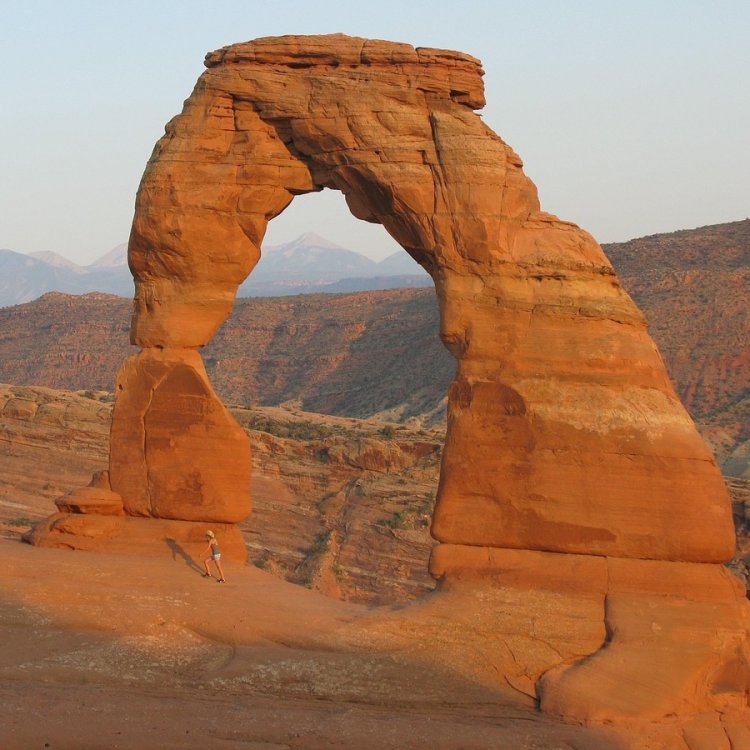
Arches is basically one giant natural playground with over 2,000 arches scattered around. You’ll want at least one full day here. The Delicate Arch hike is the must-do (yep, the one on Utah license plates). It’s steep at times, but standing under that massive stone arch is the kind of travel memory you’ll keep forever. For easier walks, check out Double Arch, Landscape Arch, or the Windows Section—all shorter but still spectacular.
Tips for Arches National Park:
-
Timed entry alert. From spring through fall, Arches requires timed entry reservations. Book in advance or plan to arrive before 6 a.m. or after 5 p.m. to avoid needing one.
-
Golden hour magic. The arches look most dramatic at sunrise and sunset when the light makes them glow. Midday sun? Pretty harsh.
-
Stay in Moab. Lodging options range from chain hotels to cool little motels and campgrounds. Plus, you’ll have plenty of dining choices and even a couple breweries to celebrate your hiking wins.
Day 6: Canyonlands National Park
Canyonlands is enormous—broken into three main districts—but since you’re on a time crunch, stick with Island in the Sky, only about 40 minutes from Moab. This section gives you panoramic canyon views that stretch for miles, and the overlooks will honestly leave you speechless.
Start at Mesa Arch, especially at sunrise when the arch frames a glowing canyon below. Drive out to Grand View Point, which is exactly what it sounds like, and if you’re feeling energetic, try the Murphy Point Trail for a quieter, less crowded perspective.
Tips for Canyonlands:
-
Pack like you mean it. Unlike Arches, there’s almost no food, water, or gas inside Canyonlands. Bring everything you need for the day.
-
Stay flexible. The park is spread out, and distances between viewpoints can surprise you. Pick a few highlights instead of trying to cover it all.
-
Slow down. Canyonlands is all about scale. Don’t just snap a photo and move on—sit at an overlook for a bit and actually take it in. You’ll feel tiny in the best way.
Day 7: Back to Civilization
Time to roll back toward reality. From Moab, it’s about 6–7 hours back to Las Vegas or about 4 hours if you’re ending in Salt Lake City. Either way, you’ll have plenty of time to reflect (and maybe nap) after your whirlwind tour of the Mighty 5.
If you’ve got wiggle room, spend your last morning wandering around Moab’s cute shops or grabbing one more big breakfast before the drive.
Extra Road Trip Tips for the Mighty 5
-
When to go: April–May or September–October is the sweet spot—mild temps, fewer crowds, gorgeous light. Summer is doable but hot, especially in Arches and Canyonlands. Winter is quiet but cold, and some roads may close.
-
America the Beautiful Pass: Buy this annual pass ($80) before your trip. It covers entry into all national parks, so you’ll save money fast.
-
Gas & snacks: Top off your tank whenever you can—stations can be far apart. And never underestimate how many granola bars and gallons of water you’ll go through.
-
Book early: Lodging near the parks fills up months in advance, especially in Moab. If camping, reserve as soon as you can.
-
Be weather smart: Summer storms can cause flash floods, especially in slot canyons like The Narrows. Always check conditions before you head out.
Why This Trip is a Winner
Think about it: in just one week, you’ll hike rivers, climb cliffs, wander through hoodoo forests, pick fruit from pioneer orchards, stand under arches, and stare into canyons that seem endless. Utah’s Mighty 5 packs more variety into seven days than most places could fit in a month.
It’s the kind of road trip that feels big and adventurous but still totally doable. You don’t need a month off work or a giant budget—just a car, some hiking shoes, and a sense of adventure.
So, what do you think? Are you ready to hit the road and check all five of these off your list?