Planning the Ultimate Cross-Country Train Trip with Amtrak
By Jeff Lowe • October 16, 2025
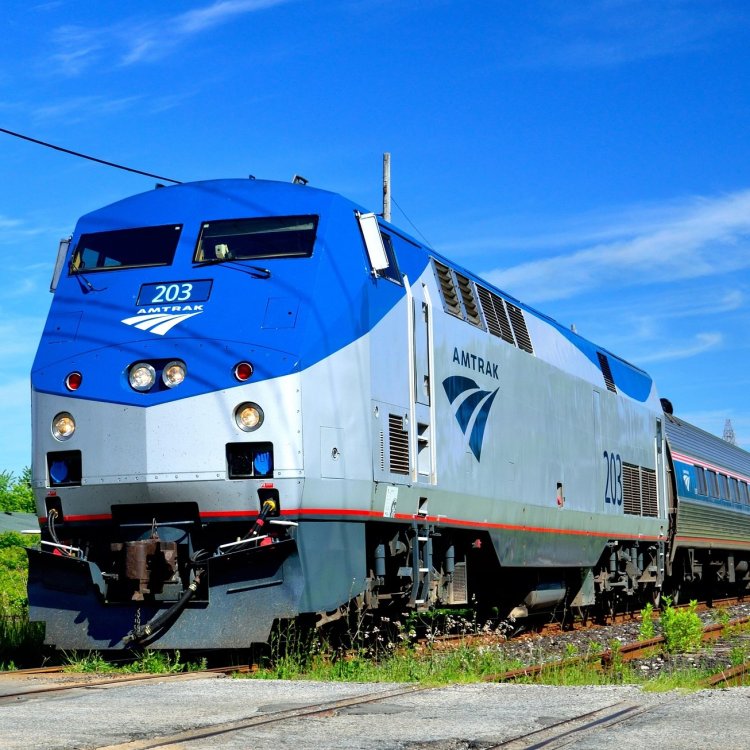
A cross-country train trip with Amtrak is a chance to see the United States in slow motion, from cities to open plains and mountain passes.
For my wife Colleen and me, that idea isn’t theoretical. Early in our marriage, we took an Amtrak trip on the Southwest Chief, and it left a lasting impression. Watching a wide swath of the country roll by from a train window felt both relaxing and eye-opening, and it gave us a perspective on travel that stuck with us long after we arrived.
That experience planted a seed. While we haven’t yet taken a full coast-to-coast rail journey, it’s something we’d love to do in the future.
As we think about planning a more extensive train adventure, we’ve spent time reflecting on what we enjoyed back then—and what we’d want to research and consider before doing it again on a bigger scale.
What follows is a mix of what we’ve already discovered through experience and what we know we’ll need to think through as we plan future Amtrak trips.
Why a Cross-Country Train Trip Still Appeals to Us
Like most people, we’ve done our share of flying and road trips over the years. They’re efficient, sure—but they don’t always feel like part of the vacation. What we loved about traveling by train, even early on, was the pace. You’re not rushing through airports or staring at taillights for hours. Instead, you’re moving steadily across the country, watching landscapes change almost without realizing it.
That slower rhythm is a big reason a cross-country Amtrak trip remains appealing to us. It feels like a throwback in the best possible way. You can read, talk, nap, or just stare out the window while the country unfolds. And honestly, as we look ahead to future travels, that sounds better and better. Can you imagine seeing the Rockies, deserts, and coastlines without ever touching a steering wheel?
Choosing the Right Amtrak Routes
One thing we learned from riding the Southwest Chief is that the route itself is the experience. It’s about everything between Point A and Point B, not just the endpoints. That’s why route selection will be one of the biggest decisions when we plan a longer cross-country rail trip.
Some of the routes we’ve been researching include:
The Southwest Chief
This one already holds a special place for us. Running between Chicago and Los Angeles, it cuts through the Midwest, the Southwest, and stretches of classic Route 66 country. Our earlier trip showed us how much variety you can see in just a couple of days on the rails.
The California Zephyr
Often described as one of the most scenic train routes in the U.S., the Zephyr runs from Chicago to the San Francisco Bay Area. From everything we’ve read, the views through the Rockies and Sierra Nevada are hard to beat.
The Empire Builder
This northern route travels from Chicago to Seattle or Portland. Glacier National Park, wide-open plains, and dramatic mountain scenery make this one especially tempting.
The Coast Starlight
Not technically cross-country, but it’s high on our list. Running along the Pacific Coast between Seattle and Los Angeles, it seems like a perfect addition to a longer rail itinerary.
We’re also discovering that combining routes—rather than sticking to just one—may be the best way to build a true cross-country experience.
Booking an Amtrak Cross-Country Trip
Booking train travel feels a little different from booking flights, and that’s something we’ll need to remember. From our earlier experience and current research, a few things stand out:
-
Booking early matters, especially for sleeper accommodations.
-
Amtrak’s multi-city booking option makes it easier to build longer itineraries.
-
The USA Rail Pass could be a smart option if we plan to hop on and off in several cities.
We didn’t book a sleeper on our Southwest Chief trip, but it’s something we’re seriously considering for a future cross-country journey. The idea of having a private space—and meals included—adds a level of comfort that feels well-suited for longer trips.
Coach vs. Sleeper: What We’re Considering
Coach travel worked well for us years ago, and it’s still a solid option. Seats are roomy, you can walk around, and it’s far more comfortable than most people expect.
Even so, as we research future trips, sleeper accommodations are appealing for a few reasons:
-
Better sleep on overnight segments
-
Included meals in the dining car
-
Access to quieter spaces
Roomettes, in particular, seem like a good balance between comfort and cost. Bedrooms offer more space, but part of our planning process will be deciding what feels worth it for a longer journey.
What We’d Pack Differently Next Time
Our first Amtrak trip taught us that packing for a train is different from packing for a plane. As we plan ahead, here’s what we know we’d want to bring:
-
Comfortable layers (temperatures can vary)
-
Snacks and drinks for between meals
-
A travel pillow and light blanket
-
Books, downloaded shows, and music
-
A small bag for essentials during the day
One big lesson: you don’t need to overpack. Storage is easier than on a plane, but simplicity still wins.
Life on Board: One of the Best Parts
One thing we remember clearly from our Southwest Chief trip was how social and relaxed train travel felt. People actually talked to each other. Meals were shared. Conversations started naturally.
From what we’ve seen, that hasn’t changed. Sightseer lounges, dining cars, and café cars still serve as gathering spots where travelers swap stories and tips. And if you want quiet time, you can always retreat to your seat or room and just enjoy the view.
It’s a nice balance—and something we don’t often experience when flying.
Planning Stops Along the Way
If we do a longer cross-country trip, we know we won’t want to stay on the train the entire time. One of the biggest advantages of Amtrak travel is the ability to build in stopovers.
Cities like Denver, Salt Lake City, Seattle, or San Francisco are natural break points. The key lesson here? Build in flexibility. Trains can run late, and that’s just part of the deal. Planning buffer days will be essential.
Budgeting for a Cross-Country Train Adventure
Train travel can be more affordable than it first appears, especially when you factor in lodging and meals. As we plan ahead, we’re keeping a few budget tips in mind:
-
Book as far in advance as possible
-
Travel midweek when fares are lower
-
Consider sleeper accommodations as bundled travel (room + meals)
-
Join Amtrak Guest Rewards for points
Compared to flying and hotels, the numbers start to look pretty reasonable—especially for a trip where the journey itself is the highlight.
When We’d Like to Go
Timing matters. From our research, late spring through early fall seems ideal for a first major cross-country rail trip. Longer daylight hours mean more scenery, and weather disruptions are less common.
Even so, there’s also something appealing about a quieter winter train trip. Snow-covered landscapes through mountain passes? That’s tempting too. What do you think?
Why We’d Do It Again—On a Bigger Scale
Looking back, our early Amtrak trip was simple, affordable, and memorable. Looking ahead, a longer cross-country rail adventure feels like a natural evolution—one that fits how we want to travel going forward.
Train travel encourages you to slow down, notice the details, and enjoy the ride. And that’s something we value more and more. When the whistle blows and the tracks stretch out ahead, it feels less like transportation and more like a story unfolding in real time.
Someday soon, we hope to be back on the rails—coffee in hand, scenery rolling by—ready to see even more of the country the same way that first trip inspired us years ago.