Traveling with a Baby: Essential Tips for Flying, Packing, and Staying Sane
By Jeff Lowe • October 20, 2025
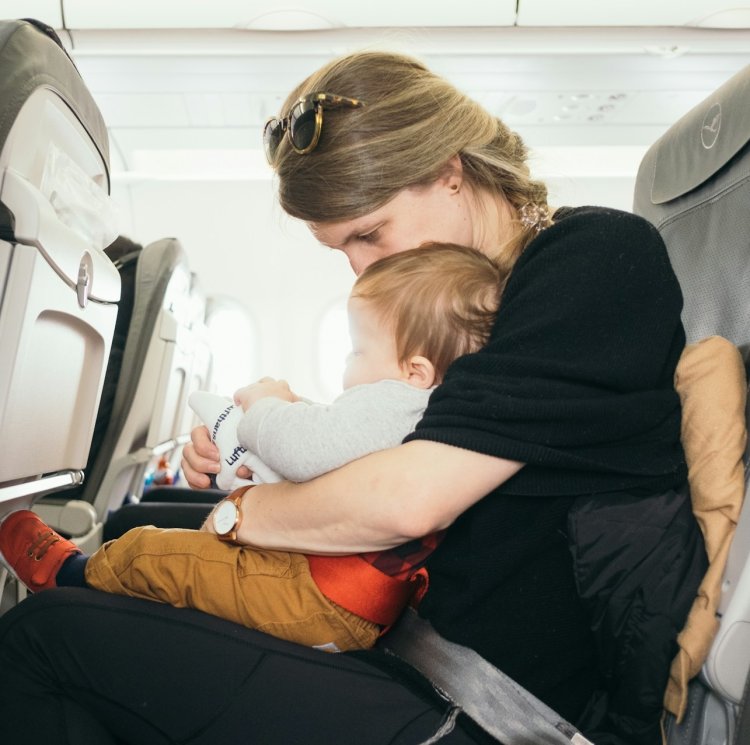
Traveling with a baby requires more planning than traveling as a couple, but it does not mean you have to put your travel plans on hold. The trick is to adjust your expectations, pack for the things you really need, and leave enough flexibility in the schedule for feedings, naps, diaper changes, and the occasional unexpected meltdown. With a little preparation, flying, driving, and staying in a hotel with an infant can be much easier than many new parents expect.
Start with Realistic Expectations
The first thing to understand about traveling with a baby is that the trip will probably look different than it did before you became parents.
You might spend two hours getting everyone ready to leave the hotel, only to discover that the attraction you planned to visit is closed. You might make it halfway through lunch before a diaper emergency sends one parent searching for a changing table. A carefully planned afternoon of sightseeing may turn into an hour sitting in the hotel room while the baby naps.
That's normal.
The goal isn't to keep your old travel routine and somehow squeeze the baby into it. Give yourself more time and plan fewer activities each day. If you normally visit four attractions in a day, plan for one or two. If you get to the others, great.
This also gives you some breathing room when things don't go according to plan. And with a baby, things won't always go according to plan.
Pick the Right Time to Travel
There isn't one perfect age for a baby's first trip. Some families travel when their baby is only a few weeks old, while others prefer to wait several months.
Your child's health and your pediatrician's advice should be the deciding factors, particularly before air travel. If your baby was premature or has a medical condition, talk with the pediatrician before making travel plans.
For healthy babies, consider how your child's daily routine fits with the trip. A flight that leaves at 6 a.m. might be cheap, but getting the whole family to the airport before sunrise can be rough. A flight during a baby's normal nap time may work better for some families.
You also don't necessarily have to start with a two-week European vacation. A short visit to family or a weekend road trip can give you a chance to figure out what works before taking on a longer trip.
Pack for the Baby, Not the Entire Nursery
It is remarkably easy to overpack for an infant.
Look at a typical packing list for a baby and you can quickly end up with a stroller, car seat, portable crib, bottle warmer, baby monitor, changing station, three types of blankets, enough clothing for a week, and half the contents of the diaper aisle.
Some of those things may be useful. You probably don't need all of them.
Start with the items you cannot easily replace at your destination. Diapers, wipes, feeding supplies, medications, and a favorite comfort item belong near the top of the list. Clothing and ordinary toiletries are easier to replace if you run short.
For the diaper bag, think about what you will need during the next several hours rather than the entire vacation.
A useful carry-on list includes:
- Diapers and wipes
- Changing pad
- Several changes of baby clothes
- An extra shirt for each parent
- Bottles, formula, or breastfeeding supplies
- Pacifiers, if your baby uses them
- A small comfort toy
- Burp cloths
- Baby-safe medications and a thermometer
- Plastic bags for dirty clothes or diapers
The extra clothes deserve special attention. Babies have a talent for producing messes at exactly the wrong time. Having a clean shirt for yourself can be just as valuable as having an extra outfit for the baby.
Flying with a Baby
Flying with an infant tends to be the part parents worry about most. Some of that anxiety comes from imagining an entire airplane listening to a crying baby.
Yes, your baby might cry. That's part of traveling with a baby.
Most parents find that the anticipation is worse than the actual experience. Keep your expectations modest and concentrate on getting through one part of the trip at a time.
Before the Flight
A nonstop flight is usually worth paying a little extra for if you can afford it. Every connection means another security line, another boarding process, and another opportunity for something to go wrong.
Check your airline's current rules for traveling with infants before leaving home. Policies concerning infant tickets, car seats, strollers, bassinets, and baggage can differ.
If you are traveling internationally, make sure the baby has the required passport and other travel documents well before the departure date. Don't leave that paperwork until the last week.
At the Airport
Give yourself more time than you normally would. You may need to stop for a feeding, change a diaper, or deal with something you hadn't anticipated.
A baby carrier can be particularly useful in an airport. It leaves your hands available for luggage and documents and avoids having to maneuver a stroller through every line.
Keep the things you are most likely to need somewhere accessible. Digging through a suitcase for a pacifier while standing in an airport security line is not a great use of anyone's time.
During Takeoff and Landing
Changes in cabin pressure can bother some babies. Feeding during takeoff and landing may help because swallowing can help equalize pressure in the ears. Breastfeeding, bottle-feeding, or offering a pacifier are common approaches.
Don't worry if it doesn't work perfectly. You can't control every reaction your baby has to flying.
And if your baby cries, your job is to take care of your baby. You don't need to spend the entire flight worrying about what everyone else thinks.
Road Trips with an Infant
For many families, a road trip is easier than flying because you control the schedule. You can pull over when the baby needs to eat, change the diaper, or simply get out of the car.
The important thing is to accept that a trip that normally takes six hours may take considerably longer.
Plan regular stops rather than trying to drive straight through. Babies need breaks from their car seats, and parents need breaks too.
Keep a small supply of diapers, wipes, food, and clothing in the passenger area instead of buried in the luggage. It is much easier to grab a diaper from a small bag than to unpack half the trunk at a rest stop.
If possible, schedule some of your driving around your baby's normal sleep periods. Just don't build the entire trip around the assumption that the baby will sleep for three hours. That's a plan that can fall apart pretty quickly.
And remember that infants should remain properly restrained in an appropriate car seat. Never compromise on car-seat safety because you're trying to make better time.
Staying in a Hotel with a Baby
A hotel room that seems perfectly comfortable for two adults can become surprisingly complicated with a baby.
Before booking, check whether the hotel provides a crib or pack-and-play. If it does, find out whether you need to request one in advance. Availability can be limited.
A refrigerator in the room can also be useful for bottles and expressed milk. A microwave or kitchenette may make feeding easier, depending on how your baby eats.
Location matters, too. A hotel in the middle of the action may sound convenient, but a room on a noisy street isn't necessarily ideal when you're trying to get a baby to sleep.
You may also want to think about the room layout. A suite or room with a separate sleeping area gives parents somewhere to sit after the baby goes to bed. Otherwise, you may find yourself sitting quietly in the dark at 7:30 p.m. because turning on the television seems like a risky proposition.
Many parents learn this one the hard way.
Don't Completely Abandon the Baby's Routine
You don't need to recreate your entire home routine while traveling, but keeping a few familiar habits can help.
If you normally read a short book before bed, bring the book. If your baby sleeps in a sleep sack, bring it. If a particular lullaby is part of bedtime, keep singing it.
These familiar cues can make an unfamiliar hotel room feel less strange.
At the same time, don't panic if the schedule changes. Travel is disruptive by nature. A baby who normally naps at 1 p.m. may fall asleep at 11:30 while you're walking around town.
Let the baby sleep.
You can adjust your plans around the nap instead of trying to wake a sleeping infant because you have tickets for something at a particular time.
Bring the Right Baby Travel Gear
There is plenty of baby travel gear marketed as essential. Very little of it actually is.
A lightweight stroller can be extremely useful, particularly if you're spending time in cities. A baby carrier is another good option, especially for places where sidewalks are crowded or uneven.
A portable crib can make sense if you travel frequently or if your accommodations don't provide one.
Beyond that, think carefully about what you're bringing.
For example, do you really need a bottle warmer if you're staying somewhere with a kitchen? Do you need a full-size baby monitor for a two-night hotel stay? Can you buy diapers when you arrive instead of carrying a suitcase full of them?
The answers will be different for every family.
One good rule is to avoid buying an expensive piece of travel equipment just because you think you might need it. Try borrowing or renting it first if that's an option.
Feeding a Baby While Traveling
Feeding tends to be one of the bigger logistical challenges, particularly when you're away from your normal routine.
If you're breastfeeding, you may have fewer supplies to worry about, but you'll still need to find comfortable and reasonably private places to feed if that's important to you.
For formula-fed babies, plan ahead for how you'll prepare bottles and clean them. If you're staying in a hotel, ask about the available kitchen facilities before you arrive.
Parents traveling with expressed breast milk or formula should also check the current security requirements before flying. Airport rules can allow exceptions for infant feeding supplies, but it's better to know the requirements ahead of time than discover them at the security checkpoint.
And don't forget that feeding takes time. If you normally allow 20 minutes for lunch, you may need considerably longer when the baby's meal is part of the schedule too.
Protect the Baby from Too Much Activity
A vacation can be exciting for adults and completely exhausting for an infant.
New surroundings, unfamiliar sounds, crowds, bright lights, and constant movement can leave a baby overstimulated. If your child becomes unusually fussy, rubbing their eyes or having trouble settling down, they may simply need some quiet time.
Build breaks into the day.
That could mean returning to the hotel for an afternoon nap, sitting in a quiet park, or simply spending an hour in the room with the lights down.
You don't have to keep moving because you are on vacation.
In fact, some of your best travel memories may happen during the slower parts of the trip.
Keep Health and Safety in Mind
A small travel health kit can save you a trip to a pharmacy in the middle of the night.
Consider bringing a thermometer, any medications your pediatrician has recommended, saline drops if you normally use them, and enough prescription medication for the entire trip.
Think about the climate at your destination as well. Babies can become overheated quickly, so dress them in lightweight clothing in hot weather and give them appropriate protection from the sun.
For infants younger than six months, the American Academy of Pediatrics generally recommends keeping them out of direct sunlight and using shade and protective clothing rather than relying on sunscreen.
If your baby becomes sick while traveling, don't try to push through the vacation simply because you've already paid for it. A sick baby usually needs rest, fluids or feeding, and attention more than another sightseeing stop.
Give Yourself Permission to Change the Plan
This might be the most useful piece of travel advice for new parents: the itinerary is not more important than the baby.
You may have reservations for dinner at 6:30. The baby may decide that 6:15 is the perfect time for a meltdown.
You may have tickets for a museum. The baby may sleep through the only window you had to visit it.
That's frustrating, but it's also temporary.
Before you leave home, decide which plans really matter and which ones you can skip. That way, when something goes wrong, you don't have to rethink the entire vacation.
And don't measure the success of the trip by how many attractions you visited.
Maybe you spent an afternoon sitting outside a café while the baby slept in the stroller. Maybe you took a walk instead of visiting the third museum on your list. Maybe you got back to the hotel early and ordered takeout.
That's still a vacation.
Traveling with an Infant Gets Easier
The first trip with a baby can feel like a major undertaking. There are more bags, more planning, and far less certainty about how the day will unfold.
But you also learn quickly.
After one trip, you'll know how many diapers you actually use, which baby gear was worth bringing, and which items stayed in the suitcase the entire time. The next trip usually feels a little easier.
So start with something manageable if you're nervous. Take a short road trip. Visit family for a weekend. Spend a few nights somewhere within an easy drive of home.
You don't have to wait until your child is older to travel. You just need to travel differently.
And eventually, you'll find yourself sitting in an airport or hotel room with a sleeping baby, wondering why you were so worried about taking that first trip in the first place.