A Beginner’s Guide to Hiking in the U.S.: Easy Trails and Essential Tips
By Jeff Lowe • December 27, 2025
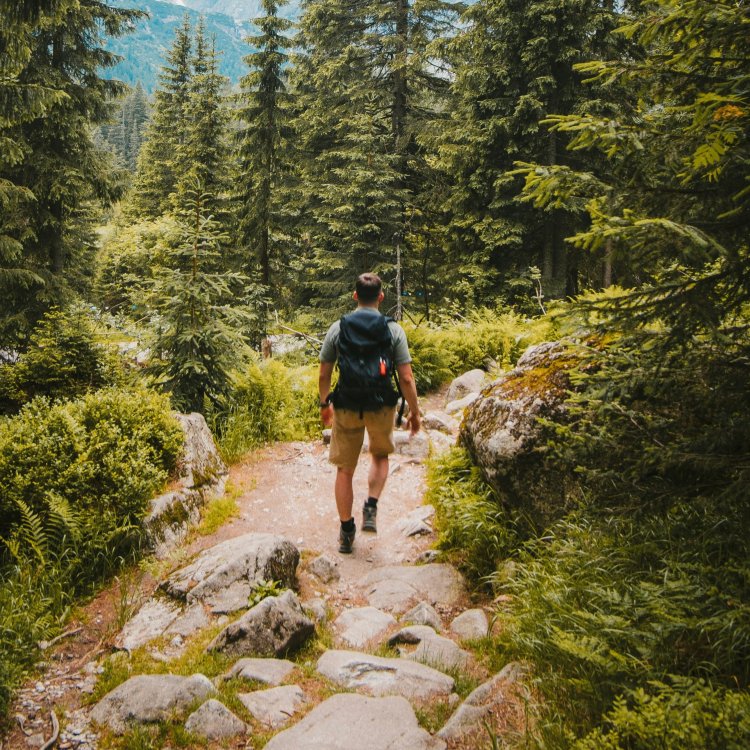
Hiking is one of those rare activities that feels both simple and rewarding from day one.
You don’t need expensive gear. You don’t need special training. You just need a trail, a little curiosity, and the willingness to put one foot in front of the other.
For beginners, hiking can be about soaking in scenery, clearing your head, or getting a solid workout without stepping into a gym. And the best part? The U.S. is packed with trail systems designed specifically for people just starting out.
This guide is built for hikers who are new, a little unsure, or simply looking for well-maintained trails that are easy to follow and easy on the body.
We’ll talk about great beginner-friendly hiking regions across the country, what makes a trail “beginner,” how to stay safe, and what you actually need to pack. No gatekeeping here. Just helpful advice to get you outside and moving.
So, ready to hit the trail?
What Makes a Trail Beginner-Friendly?
Before diving into destinations, it helps to understand what actually qualifies as a beginner hiking trail. Difficulty ratings vary by park and region, but most beginner trails share a few key characteristics.
First, they’re relatively short. Many beginner hikes fall in the 1–5 mile range, which is long enough to feel satisfying but not overwhelming. Second, they usually have minimal elevation gain. You might climb a little, but you’re not scrambling uphill for hours. Third, the trail is well-marked and well-maintained. You’re unlikely to lose your way or encounter rough terrain that requires special skills.
Beginner-friendly trail systems also tend to offer options. You can choose a short loop for a quick workout or link multiple trails together if you’re feeling ambitious. This flexibility makes them ideal for people hiking for exercise as much as scenery.
Great U.S. Regions for Beginner Hiking
One of the biggest misconceptions about hiking is that you need mountains or extreme landscapes to enjoy it. In reality, some of the best beginner hiking happens in places with gentle terrain, extensive trail networks, and easy access.
Here are several standout regions across the country that consistently offer excellent beginner hiking.
Pacific Northwest: Forests, Waterfalls, and Soft Trails
The Pacific Northwest is famous for dramatic scenery, but it’s also incredibly welcoming to beginner hikers.
Where to Go
-
Columbia River Gorge (Oregon/Washington)
-
Mount Hood National Forest (Oregon)
-
Olympic National Park lowland areas (Washington)
This region shines when it comes to well-maintained trails through lush forests. Many hikes follow rivers, pass waterfalls, or loop through mossy woodlands with very gradual elevation changes. Even short hikes feel immersive.
Another bonus? The trail systems are extensive. You’ll find dozens of interconnected paths, making it easy to customize your hike length. If your main goal is exercise, you can hike briskly on wide, smooth trails without technical obstacles.
Weather can be wet, though, so waterproof layers are a smart idea.
Southern Appalachians: Gentle Grades and Scenic Payoff
The Appalachian Mountains are older and softer than their western counterparts, which makes them perfect for beginner hikers.
Where to Go
-
Great Smoky Mountains National Park (Tennessee/North Carolina)
-
Blue Ridge Parkway trail systems (Virginia/North Carolina)
-
Pisgah National Forest (North Carolina)
Many trails here were built decades ago with gradual switchbacks and manageable climbs. You’ll find river walks, forest loops, and ridge trails with steady but not punishing elevation.
The Smokies are especially beginner-friendly. There are countless short hikes to overlooks, historic cabins, and waterfalls. Plus, the park’s popularity means trails are clearly marked and frequently traveled.
This region is also ideal for people hiking for fitness. Long, steady grades make it easy to keep a consistent pace.
Midwest: Quiet Trails and Surprisingly Scenic Walks
The Midwest often gets overlooked for hiking, but it’s one of the best places for beginners.
Where to Go
-
Cuyahoga Valley National Park (Ohio)
-
Starved Rock State Park (Illinois)
-
Minnesota State Parks and North Shore trails
Trails here are generally flatter, wider, and less intimidating. You won’t find massive elevation changes, but you will find rivers, bluffs, waterfalls, and peaceful woodland paths.
Cuyahoga Valley is a standout for beginners and exercise-focused hikers. Its trail system includes crushed gravel paths, old towpaths, and loops perfect for steady walking or light trail jogging.
This is also a great region for first-time solo hikers thanks to easy navigation and frequent trail access points.
Southwest Deserts: Short Hikes with Big Views
Desert hiking might sound intimidating, but many Southwest destinations are incredibly beginner-friendly—especially in cooler months.
Where to Go
-
Sedona (Arizona)
-
Joshua Tree National Park (California)
-
Red Rock Canyon (Nevada)
Desert trails often offer something beginners love: immediate payoff. You don’t have to hike far to see incredible views. Many trails are short, well-marked, and relatively flat.
Sedona is particularly popular with beginners. The red rock scenery feels dramatic, but the trail grades are usually manageable. Plus, many hikes are loop-style, which makes planning easy.
The key here is timing. Early mornings and cooler seasons are best, and water is non-negotiable.
New England: Compact Trails and Classic Scenery
New England’s hiking culture is deeply rooted, and that shows in the quality of its trail systems.
Where to Go
-
White Mountain foothills (New Hampshire)
-
Green Mountain National Forest (Vermont)
-
Acadia National Park (Maine)
While some New England hikes are famously tough, there are plenty of beginner options—especially at lower elevations and coastal areas. Acadia is a great example, with carriage roads and coastal paths that are ideal for beginners and casual hikers.
The trails here are well-maintained and often close together, making it easy to try multiple short hikes in one day.
Hiking for Exercise vs. Hiking for Adventure
Not every beginner is looking for epic views or remote wilderness. Many people hike primarily for fitness, stress relief, or daily movement. And that’s completely valid.
Beginner-friendly trail systems often cater to both goals. Look for:
-
Loop trails that let you maintain a steady pace
-
Multi-use paths shared with walkers and runners
-
Gradual elevation changes instead of steep climbs
Parks near cities often shine here. They’re designed for frequent use and make it easy to build hiking into a regular routine.
Essential Safety Tips for Beginner Hikers
Hiking is generally safe, but preparation matters—especially when you’re new.
Here are key safety tips every beginner should know.
Start Small
Don’t overestimate your abilities. Choose shorter trails and build up gradually. It’s better to finish a hike feeling energized than exhausted.
Check the Weather
Weather can change quickly, even on easy trails. Always check the forecast and plan accordingly.
Stay on Marked Trails
Beginner trails are designed to be safe and scenic. Wandering off-trail increases the risk of getting lost or injured.
Let Someone Know Your Plan
Tell a friend or family member where you’re going and when you expect to return. This is especially important if you’re hiking alone.
Know When to Turn Back
There’s no shame in turning around. Fatigue, weather, or time constraints are all good reasons to cut a hike short.
What to Pack for a Beginner Hike
You don’t need a huge backpack or expensive gear to get started. But a few essentials go a long way.
Must-Have Items
-
Comfortable shoes: Trail shoes or sturdy sneakers with good grip
-
Water: More than you think you’ll need
-
Snacks: Energy bars, trail mix, or fruit
-
Weather layers: A light jacket or rain shell
-
Sun protection: Hat, sunglasses, sunscreen
Nice-to-Have Extras
-
Small backpack or daypack
-
Trail map or offline map app
-
Basic first-aid kit
-
Trekking poles (optional)
For short beginner hikes, this setup is more than enough. As you gain experience, you’ll naturally adjust what you carry.
Common Beginner Mistakes to Avoid
Everyone makes mistakes early on, but knowing a few common pitfalls can save frustration.
One big mistake is wearing brand-new shoes on a longer hike. Break them in first. Another is underestimating water needs, especially in warm weather. And finally, many beginners skip rest breaks. Slow down. Enjoy the view. That’s part of the experience.
Building Confidence on the Trail
Confidence comes quickly with hiking. Each trail teaches you something—how your body feels, how to pace yourself, how much you enjoy different terrain. Beginner-friendly trail systems are perfect for experimenting and learning without pressure.
Before long, what once felt intimidating will feel familiar. You’ll start spotting trail signs without thinking. You’ll know when to push a little harder and when to take it easy.
And that’s when hiking really clicks.
Taking the First Step Outside
Hiking doesn’t have to be extreme to be meaningful. Some of the best hikes are simple walks through beautiful places, taken at your own pace. Beginner-friendly trails across the U.S. make it easy to start, whether you’re chasing views, fitness, or just a quiet hour outdoors.
Pick a trail. Pack some water. See how it feels. You might be surprised how quickly a short walk turns into a favorite habit.
And honestly, what’s better than that?