Must-Visit Chinatown Districts Across the U.S. for Food and Tradition
By Jeff Lowe • January 15, 2026
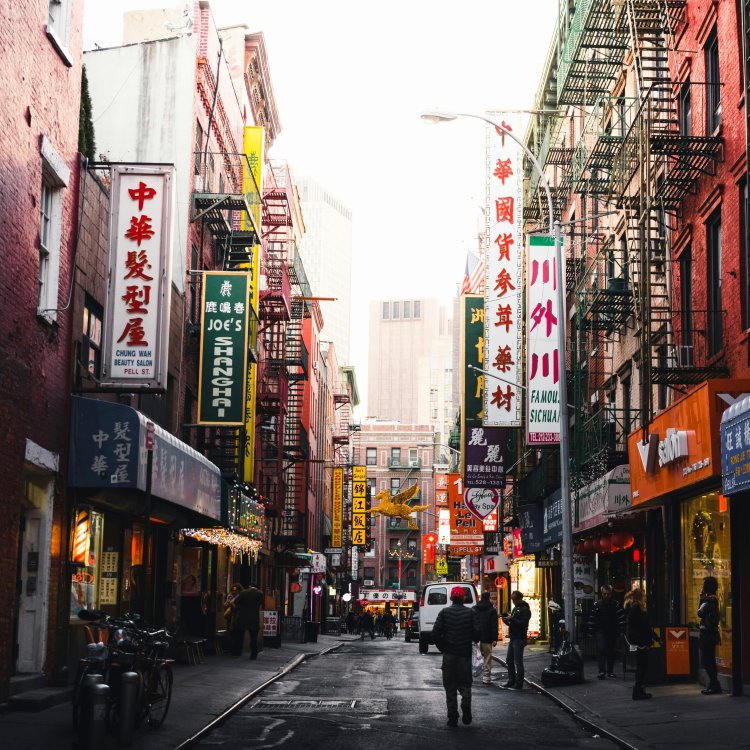
Whenever we visit a large city, we usually look for the local Chinatown. It has become one of those things we naturally work into our trips, much like finding a good market or walking through one of the older neighborhoods. Our family has spent time in the Chinatowns of San Francisco, Manhattan, and Chicago, and we’ve enjoyed something different about each one.
Part of the appeal is the food, of course. But we also like wandering through the shops, looking at the signs and architecture, and seeing how the neighborhood fits into the larger city around it. You don’t need a detailed itinerary to enjoy Chinatown. In many cases, the best approach is simply to walk around and see what catches your attention.
There are Chinatowns in cities across the country, and while some are large and busy, others are much smaller. Here are several worth adding to a city visit, with San Francisco, Manhattan, and Chicago at the top of our personal list.
San Francisco Chinatown
San Francisco’s Chinatown is probably the one most people picture when they think about a Chinatown in the United States. It dates to the 19th century and occupies a compact area just north of the Financial District and near North Beach.
We’ve visited San Francisco Chinatown as a family, and it is the kind of place where we can easily spend several hours without really planning what we’re going to do. We like walking the streets, stopping in shops, checking out the markets, and finding something to eat along the way.
One of the nice things about Chinatown is that you don’t have to be looking for a particular attraction. The neighborhood itself provides plenty to see. Traditional storefronts sit alongside restaurants, bakeries, markets and small shops selling everything from souvenirs to Chinese teas and other specialty goods.
Grant Avenue is the street most visitors associate with Chinatown, but it is worth wandering beyond the busiest areas. Some of the smaller streets and alleys provide a better sense of the neighborhood.
And then there’s the food. Dim sum, noodles, dumplings, roasted meats and baked goods are all part of the experience. You can make a meal out of one stop, or do what we tend to do and sample things along the way.
A few things to look for in San Francisco Chinatown:
- The Dragon Gate entrance on Grant Avenue
- Traditional Chinese markets and grocery stores
- Small shops selling tea, souvenirs and specialty items
- The narrow streets and alleys away from the main tourist areas
- Chinese temples and cultural sites
- Dim sum, dumplings, noodles and Chinese baked goods
San Francisco is also a good example of why I enjoy visiting Chinatowns in general. You can learn a little about the city's history while doing something as simple as having lunch or browsing through a shop.
Manhattan Chinatown
Manhattan's Chinatown feels quite different from San Francisco's. It is more intertwined with the surrounding streets of Lower Manhattan, and walking through it can feel like moving between several different neighborhoods in a matter of minutes.
Our family has enjoyed visiting Chinatown when we've been in New York City. Shopping and eating are a big part of it, but just walking around is enjoyable. There are grocery stores with products you probably won't find at home, small shops tucked into busy blocks, restaurants packed into buildings, and plenty of activity on the sidewalks.
Food is probably the easiest reason to visit. Chinatown is a good place to go when you don't necessarily want an expensive restaurant meal. Dumplings, noodles, buns and other inexpensive dishes make it possible to eat well without turning lunch into a major expense.
The neighborhood also has a long history of immigration and change. Today's Chinatown isn't exactly the same neighborhood it was decades ago, and its boundaries have shifted as Lower Manhattan has developed. That's part of what makes it interesting. You aren't visiting a preserved historical district; you're seeing a neighborhood that continues to change.
If you have some extra time, walk beyond the most heavily visited streets. Chinatown blends into areas such as Little Italy and the Lower East Side, so it is easy to combine several neighborhoods during the same afternoon.
Things we enjoy doing in Manhattan Chinatown:
- Walking the neighborhood without a set route
- Browsing the grocery stores and small shops
- Stopping for dumplings or noodles
- Looking at the architecture and storefronts
- Combining Chinatown with a walk through Little Italy or the Lower East Side
For us, Manhattan Chinatown is less about checking off individual attractions and more about spending time in the neighborhood. It works particularly well as a casual stop during a day of sightseeing in Lower Manhattan.
Chicago Chinatown
Chicago Chinatown is another favorite for our family. It has a somewhat different feel from the Chinatowns on the East and West Coasts, and its location just south of downtown makes it relatively easy to add to a Chicago itinerary.
The neighborhood centers around Cermak Road and Wentworth Avenue, where you'll find the Chinatown Square shopping center, restaurants, markets and other businesses. The area is compact enough that you can explore much of it on foot.
We've enjoyed doing exactly that. We like looking through the shops, taking in the Chinese architecture and decorations, and, naturally, stopping for food. Chicago Chinatown is particularly good for people who want to try dishes they may not normally encounter at home.
The neighborhood also gives visitors a chance to see a part of Chicago that is quite different from the downtown attractions. If you've already spent time around the Loop, Millennium Park and the Magnificent Mile, Chinatown provides a change of pace without requiring a long trip across the city.
The Chinatown Square area is worth exploring, but don't limit yourself to one shopping center. Walk along the surrounding streets and you'll find restaurants, bakeries, grocery stores and businesses serving the local community.
When visiting Chicago Chinatown, consider:
- Walking along Wentworth Avenue and Cermak Road
- Exploring Chinatown Square
- Checking out the grocery stores and specialty shops
- Trying dishes that aren't familiar to you
- Looking for the neighborhood's distinctive architectural details
- Combining Chinatown with other attractions on Chicago's South Side
Like the other Chinatowns we've visited, Chicago works best for us when we don't try to rush through it. Give yourself time to wander, have something to eat and browse a few stores.
Los Angeles Chinatown
Los Angeles has had a Chinatown since the 1930s, although the neighborhood has changed considerably over the years. It sits northwest of downtown near Olvera Street and Union Station, making it relatively convenient to include in a broader downtown Los Angeles visit.
The neighborhood has restaurants, markets, shops and cultural events, with a mixture of long-established businesses and newer establishments. The area around Central Plaza is a natural starting point for visitors.
Los Angeles is also an interesting Chinatown for travelers who want to see how Chinese-American neighborhoods have adapted to changing cities. It isn't simply a collection of restaurants aimed at tourists. There is a residential and business community here as well.
If you're already spending time downtown, Chinatown can make a good stop for lunch and some walking rather than requiring a separate day on your itinerary.
Boston Chinatown
Boston's Chinatown is considerably smaller than San Francisco's or Manhattan's, but its location makes it easy to visit while exploring the city center. It sits near Boston Common, the Theater District and Downtown Crossing.
Food is one of the main reasons people come here. Restaurants and bakeries fill the streets, and the neighborhood is particularly convenient for travelers looking for an affordable meal in the middle of a day of sightseeing.
Boston Chinatown is also a good reminder that size doesn't necessarily determine whether a neighborhood is worth visiting. You can walk through much of it fairly quickly, then continue on to other parts of Boston.
If you happen to be visiting during a cultural celebration or festival, you'll get an even better look at the traditions that remain important to the local community.
Philadelphia Chinatown
Philadelphia's Chinatown occupies a central location near City Hall, Reading Terminal Market and the Pennsylvania Convention Center. Its location makes it easy to combine with other downtown attractions.
The neighborhood has restaurants, bakeries, grocery stores and shops, along with cultural landmarks that reflect the history of Philadelphia's Chinese-American community.
One of the advantages here is convenience. You can spend a couple of hours exploring Chinatown and then continue walking to other parts of Center City. It's an easy addition to a Philadelphia weekend without having to rearrange your entire sightseeing plan.
Food is, again, a major part of the experience. This is a good neighborhood for trying something different from the cheesesteaks and other foods Philadelphia is better known for.
Seattle Chinatown–International District
Seattle's Chinatown is part of the larger Chinatown–International District, which also includes Japanese, Filipino and other Asian-American communities. That makes this neighborhood a little different from some of the more traditionally defined Chinatowns.
The International District is home to restaurants, markets, bakeries, shops and cultural organizations. You'll find Chinese influences alongside those of other Asian cultures, giving the area a broader identity.
For visitors, that means there is plenty to explore even if you aren't specifically looking for Chinese food. You can spend an afternoon walking around the neighborhood, stopping at markets and restaurants along the way.
The district's location near downtown Seattle also makes it relatively easy to reach by public transportation.
Honolulu Chinatown
Honolulu's Chinatown offers something you won't get from Chinatowns on the mainland: a distinctly Hawaiian setting and history.
Located near downtown Honolulu, the neighborhood has Chinese roots dating back more than a century. Today it includes restaurants, markets, shops and businesses reflecting both its Chinese heritage and the broader mix of cultures found in Hawaii.
Food is an especially interesting part of the experience. Chinese cooking has influenced Hawaiian cuisine for generations, and you'll find that influence alongside Filipino, Japanese, Korean, Hawaiian and other culinary traditions.
Honolulu Chinatown can also be combined with a visit to downtown Honolulu and nearby historic sites, making it a practical stop during a day of exploring the city.
A Few Tips for Visiting Chinatown
One thing we've learned from visiting different Chinatowns is that you don't necessarily need a plan. In fact, having too much of a plan can take away some of the fun.
A few simple tips can make the experience easier:
- Go hungry. Chinatown is a good place to make lunch or dinner part of the sightseeing.
- Walk beyond the main street. Some of the most interesting shops and restaurants are away from the obvious tourist areas.
- Look inside the markets. Even if you aren't buying anything, grocery stores can tell you quite a bit about the local community.
- Don't be afraid to try something unfamiliar. You don't have to know exactly what you're ordering to have a good meal.
- Allow more time than you think you'll need. Shopping, eating and wandering tend to take longer than expected.
- Check for festivals and cultural events. Chinese New Year and other celebrations can completely change the atmosphere of a neighborhood.
Most importantly, remember that these are working neighborhoods and communities, not just tourist attractions. Take some time to look around and appreciate the businesses and people who make the neighborhood what it is.
Why We Keep Going Back
After visiting Chinatowns in San Francisco, Manhattan and Chicago, I can see why they have become a regular part of our city trips. We aren't usually looking for a particular restaurant or trying to see every attraction. We simply enjoy walking around, shopping, trying some food and seeing a different side of the city.
That's also what makes it difficult to pick a single “best” Chinatown. San Francisco has its historic setting and compact streets. Manhattan has the energy of Lower Manhattan surrounding it. Chicago has its own distinct neighborhood character. The other Chinatowns around the country bring their own histories and local influences.
So the next time you're visiting a large American city, look to see if it has a Chinatown. Even a couple of hours spent walking the streets, browsing the shops and stopping for a meal can add something different to the trip. For our family, it's become one of those simple travel traditions that we look forward to whenever we're exploring a new city.