Southern Caribbean Cruises: Top Islands, Itineraries, and Departure Ports
By Jeff Lowe • January 24, 2026
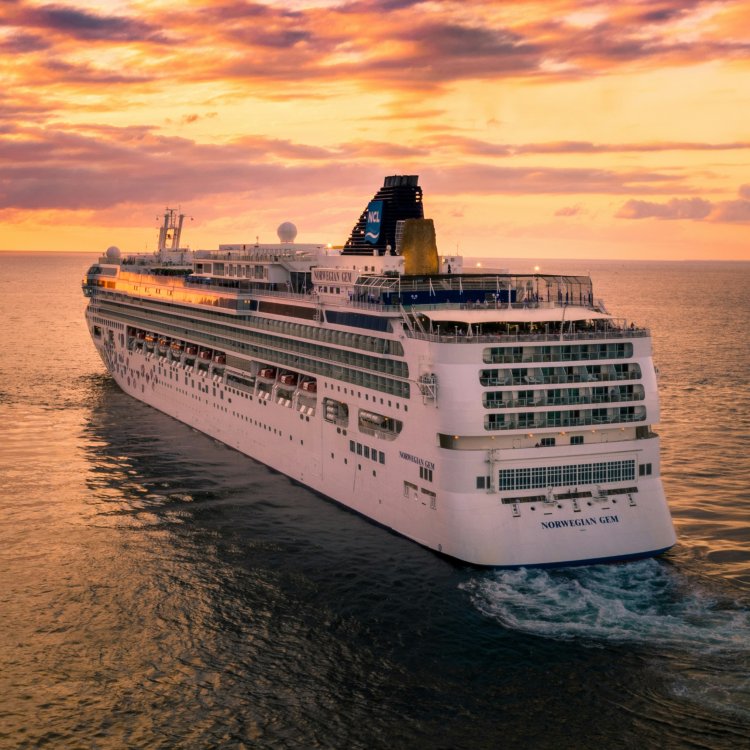
After taking a couple of cruises to the Eastern Caribbean and the Bahamas, my wife Colleen and I have started looking farther south for our next cruise. We’re still in the planning stage, but Southern Caribbean itineraries have caught our attention because they visit islands that don’t typically show up on the shorter cruises from Florida.
The Southern Caribbean is a little different from the standard seven-night Caribbean cruise. The distances between islands are greater, and many itineraries run nine, ten, or even fourteen nights. In return, you can visit places such as Aruba, Curaçao, Bonaire, St. Lucia and Grenada, each with a distinctly different character.
If you’re considering a Southern Caribbean cruise for the first time, the biggest decision may actually be choosing the itinerary. The departure port, length of the cruise and islands included can make two cruises advertised as “Southern Caribbean” feel quite different.
What Is a Southern Caribbean Cruise?
There isn't a single official boundary that determines what qualifies as a Southern Caribbean cruise. In general, these itineraries head south of the islands most commonly visited on Eastern Caribbean cruises, reaching the Lesser Antilles and the islands near the northern coast of South America.
That includes some familiar names, along with destinations that may be new to travelers who have mostly cruised from Florida.
One group you’ll see repeatedly is the ABC Islands: Aruba, Bonaire and Curaçao. These three Dutch Caribbean islands sit relatively close together off the coast of Venezuela and are among the most common destinations on Southern Caribbean itineraries. Despite their proximity, they aren't identical experiences. Aruba is known for its beaches and dry climate, Curaçao has a strong cultural and architectural identity, and Bonaire is particularly well known for snorkeling and diving.
Southern Caribbean cruises also commonly visit islands farther east, including Barbados, St. Lucia and Grenada. Those islands are greener and more mountainous than the ABC Islands, so an itinerary that combines the two areas can offer quite a contrast.
Where Do Southern Caribbean Cruises Depart?
The departure port has a lot to do with the itinerary you can expect.
San Juan, Puerto Rico is among the best departure points for a seven-night Southern Caribbean cruise. Because ships start much farther south than they do in Florida, they can reach several Southern Caribbean islands without spending as much time sailing. A typical itinerary might include St. Thomas, St. Kitts, St. Lucia, Barbados or other Lesser Antilles ports.
Miami and Fort Lauderdale are more common starting points for longer Southern Caribbean cruises. Getting from South Florida to the southern islands takes more time, so seven-night cruises have fewer opportunities to reach the deeper Southern Caribbean. Ten- and twelve-night itineraries make more sense from these ports and may combine the ABC Islands with Barbados, St. Lucia or other stops.
Bridgetown, Barbados is another possibility, particularly for cruises concentrating on the southern Lesser Antilles. Starting in Barbados puts the ship much closer to islands such as Grenada and St. Lucia. These cruises can therefore spend more of their time visiting islands rather than covering the distance from Florida.
Panama occasionally appears as a departure point for cruises that combine the Southern Caribbean with a Panama Canal itinerary. These tend to be longer cruises and are better suited to someone who wants the cruise itself to be a significant part of the vacation.
For travelers flying from the United States, San Juan is especially interesting because it can make a one-week Southern Caribbean cruise possible. Leaving Florida, you'll likely need a few extra nights to reach a similar number of southern ports.
Aruba
Aruba is probably the easiest Southern Caribbean island to recognize, and it shows up on a large number of cruise itineraries. It sits just off the coast of Venezuela and has a noticeably drier climate than many of the greener Caribbean islands.
That dry climate is one reason Aruba has such a different appearance. Instead of dense tropical vegetation everywhere, parts of the island are covered with cactus and other vegetation adapted to relatively dry conditions. The trade winds are also a constant feature, particularly along the coast.
For cruise passengers, beaches are a major attraction. Palm Beach and Eagle Beach are among the best-known, with Eagle Beach in particular frequently appearing on lists of Caribbean beaches. The water around the western side of the island is generally calm enough for swimming and other water activities.
Aruba also has more to offer than a beach day. Oranjestad, the island's capital, is close to the cruise terminal and has shopping, restaurants and colorful Dutch-influenced architecture. Visitors can also explore the island's interior and natural areas.
One practical consideration is that Aruba often makes sense as part of a longer cruise because ships can stay relatively late into the day. Some itineraries don't leave until evening, giving passengers more time ashore than they might get at ports with shorter calls.
Curaçao
Curaçao is another member of the ABC Islands, but it offers a noticeably different experience from Aruba. The island's Dutch heritage is particularly apparent in Willemstad, where brightly painted historic buildings line the waterfront.
Willemstad is one of those cruise ports where the town itself is part of the attraction. The ship docks close enough to the city that visitors can walk into the historic area rather than immediately needing transportation to get somewhere else. The Queen Emma Bridge, which connects the two sides of the harbor, is another familiar feature of the city.
Outside Willemstad, Curaçao has a dry climate and a rugged coastline dotted with smaller beaches and coves. Snorkeling and diving are popular, and there are plenty of opportunities to get into the water without spending the entire day at a large resort.
Curaçao also has a stronger cultural component than some cruise ports. The island's history reflects Dutch, Spanish, African and Caribbean influences, and that shows up in its architecture, food and local traditions.
For someone trying to decide between an itinerary that includes Aruba and one that includes Curaçao, the distinction is worth considering. Aruba may appeal more to someone primarily interested in beaches and a straightforward resort day, while Curaçao gives you more reason to spend time walking around town.
Bonaire
Bonaire completes the ABC Islands trio. It is generally quieter than Aruba and Curaçao, and its reputation is closely tied to the water surrounding the island.
Bonaire has been associated with diving and snorkeling for decades because of its protected marine environment. Much of the coastline is designated as part of the Bonaire National Marine Park, and the island has developed around the idea of preserving its reefs and marine life.
That doesn't mean you have to be a serious diver to enjoy a stop here. Snorkeling is accessible at many locations, and the island's clear water is one of its biggest draws. Visitors who aren't interested in getting in the water can rent a vehicle or take an excursion to see the island's salt flats, flamingos and other natural features.
Bonaire is also quite different visually from islands such as St. Lucia or Dominica. It is relatively dry and flat, with cactus and scrub vegetation rather than thick rainforest. The result is an island that feels more open and less developed.
For a cruise itinerary, Bonaire can be an especially appealing stop for people who would rather spend the day outdoors than shopping in a busy port area.
St. Lucia
St. Lucia is almost the opposite of the ABC Islands. It is mountainous, green and heavily influenced by its volcanic origins. The island's most recognizable features are the Pitons, two steep volcanic peaks rising from the southwestern coast.
The Pitons are the image most people associate with St. Lucia, but they aren't the only reason the island attracts cruise passengers. The interior includes rainforest, waterfalls and volcanic areas, and many shore excursions are designed around seeing the island beyond the cruise port.
One of the more unusual attractions is the Sulphur Springs area near Soufrière, where visitors can see volcanic activity and geothermal pools. There are also waterfalls, botanical gardens and opportunities for hiking.
The island's geography does mean that getting around can take longer than a quick glance at a map might suggest. Roads wind through mountainous terrain, and an excursion to the Pitons or Soufrière can occupy much of a cruise day.
That's something to remember when choosing excursions. St. Lucia is not necessarily the place to plan three unrelated activities. A scenic tour that takes in several sights may make better use of the limited time available.
Barbados
Barbados is farther east than many of the islands people associate with the Caribbean, and it has a character of its own. It was a British colony for more than 300 years, and British influence remains evident in everything from architecture and driving habits to cricket.
The island is also closely associated with rum. Barbados is often described as the birthplace of rum, and rum production remains an important part of the island's history and tourism.
Geographically, Barbados is different from volcanic islands such as St. Lucia and Grenada. Much of the island is relatively gently rolling, although the east coast becomes considerably more rugged. The west and south coasts are better known for beaches and swimming, while the Atlantic-facing east coast has stronger waves and a very different appearance.
Bridgetown, the capital, is an important cruise port and also works as a starting point for some Southern Caribbean cruises. That makes Barbados particularly useful when looking at itineraries. A cruise that begins in Barbados can spend the following week visiting nearby islands rather than using several days simply getting there from Florida.
For travelers interested in history, food and local culture as much as beaches, Barbados is one of the more well-rounded stops in the region.
Grenada
Grenada is another island that often appears on longer Southern Caribbean itineraries. Its nickname, the “Spice Island,” comes from its production of nutmeg, mace, cinnamon and other spices.
The island is hilly and green, with a much more tropical appearance than Aruba or Bonaire. St. George's, the capital, is built around a naturally sheltered harbor and climbs into the hills surrounding it. That setting gives the city a different feel from the flatter, more resort-oriented cruise ports.
Grenada's interior is where much of its character lies. Visitors can find waterfalls, rainforests, spice plantations and scenic mountain roads. Shore excursions often focus on those areas rather than simply taking passengers to a beach.
Grenada is also a good example of why Southern Caribbean itineraries can feel different from the typical Caribbean cruise. The attraction isn't necessarily a single famous landmark. Instead, the island offers a chance to see a less resort-dominated side of the Caribbean.
Other Islands You May See on a Southern Caribbean Cruise
The islands above are among the destinations most worth paying attention to when comparing itineraries, but they certainly aren't the only possibilities.
Antigua is well known for its beaches and sailing history, while St. Kitts combines beaches with historic sites and the scenic St. Kitts Scenic Railway. Dominica is especially appealing to hikers and people interested in waterfalls, rainforest and volcanic scenery. It is often called the “Nature Island.”
Longer itineraries may also visit Martinique and Guadeloupe, two French Caribbean islands where French language, food and culture are particularly prominent. Tobago and Trinidad appear less frequently, but can turn up on longer or less conventional itineraries.
These secondary stops can be important when comparing two cruises that visit many of the same general areas. A single additional island may be enough to make one itinerary more appealing than another.
Southern Caribbean Itineraries to Look For
If you're starting to compare cruises, it helps to think about itineraries by type rather than simply by cruise length.
Seven Nights from San Juan
This is probably the most efficient way to experience the Southern Caribbean on a one-week vacation. The ship starts close enough to the islands to spend most of the cruise visiting ports.
A typical itinerary might include St. Kitts, Antigua, St. Lucia and Barbados, although the exact combination varies considerably by cruise line and sailing date.
The tradeoff is that you may not reach the ABC Islands. If Aruba, Curaçao or Bonaire are high on your list, you'll want to pay close attention to the actual port schedule.
Eight to Ten Nights with the ABC Islands
These cruises often concentrate on Aruba, Curaçao and Bonaire, sometimes adding another Caribbean or South American port.
This is an attractive option if the ABC Islands are your main reason for heading south. The longer cruise also provides enough time to visit all three without trying to cram them into a seven-night itinerary.
Ten to Twelve Nights from Florida
For travelers who don't want to fly to San Juan or another Caribbean departure point, this is probably the sweet spot for reaching deeper into the Southern Caribbean from the mainland United States.
These cruises may include Aruba and Curaçao along with Barbados, St. Lucia, Grenada or another Lesser Antilles port. There will usually be more sea days than on a San Juan departure, but that isn't necessarily a bad thing. A longer cruise gives you more time to settle into the ship rather than treating every day as a race to the next excursion.
Longer Southern Caribbean and Panama Canal Cruises
If you have two weeks or more available, you may find itineraries that combine the Southern Caribbean with a Panama Canal transit. These cruises can include several Southern Caribbean ports before or after the canal portion of the trip.
They're a different type of vacation, with the cruise itself becoming a larger part of the experience. For someone who enjoys sea days, that's a benefit. If you'd rather maximize time on land, a shorter island-focused itinerary may be a better fit.
Which Southern Caribbean Cruise Makes the Most Sense?
For us, this is one of the interesting parts of comparing the options. Having already done two Eastern Caribbean/Bahamas cruises, we're less interested in simply repeating the same ports and more interested in seeing some of the islands farther south.
The ABC Islands are particularly intriguing because they're so different from the eastern islands we've visited. A cruise that combines Aruba, Curaçao and Bonaire would give us three new destinations on a single trip.
At the same time, an itinerary featuring St. Lucia, Barbados and Grenada has a different appeal. Those islands seem to offer more mountains, rainforest, history and local culture.
There isn't necessarily a single “best” Southern Caribbean itinerary. It depends on what you want to get out of the cruise. If beaches and snorkeling are the priority, the ABC Islands deserve serious consideration. If scenery and outdoor excursions sound more appealing, St. Lucia and Dominica may move higher on the list. And if you want a little of everything, a ten- or twelve-night itinerary that mixes the two regions may be worth the additional time.
Choosing Your Southern Caribbean Cruise
Southern Caribbean cruises require a little more thought than simply picking a ship and a seven-night sailing. Start with the ports rather than the ship. Look at the actual itinerary and consider how much time you'll spend at sea, which islands you'll visit and how long the ship remains in each port.
For us, the Southern Caribbean is appealing precisely because it feels like a logical next step after the Eastern Caribbean and Bahamas. We know we enjoy cruising, but there are still plenty of Caribbean islands we haven't seen. Heading farther south opens up a completely different set of possibilities.
The ABC Islands, St. Lucia, Barbados and Grenada are all near the top of the list, and the right cruise may come down to which combination of those destinations fits the schedule and price. Either way, a Southern Caribbean cruise looks like a good way to see a different side of the region without giving up the convenience of traveling between several islands on one trip.