Family Road Trip Food Hacks: Budget-Friendly Meal Planning That Actually Works
By Jeff Lowe • December 22, 2025
Family road trips have always been a big part of our travel story.
While our kids are grown now, we still talk about those long drives, packed cars, and roadside stops that somehow became just as memorable as the destinations themselves. Back then, we didn’t call it “budget meal planning.” We were just trying to keep everyone fed, happy, and moving without spending a small fortune along the way.
Over time, though, we figured out what worked. A cooler in the back seat. A bag full of snacks within arm’s reach. A willingness to be flexible about meals — splurging sometimes, saving often. Those little habits added up, and they made road trips far less stressful.
If you’re planning a family road trip and wondering how to keep food costs under control without turning vacation into work, these are the strategies we leaned on again and again.
Why Food Costs Add Up Faster Than You Expect
Road trip food spending sneaks up on you. One fast food stop doesn’t feel expensive. Neither does a quick breakfast out. But when you’re doing that multiple times a day, for multiple people, over several days, the total can be eye-opening.
We learned early on that the biggest issue wasn’t eating out — it was eating out without a plan. Hunger plus convenience almost always leads to overspending.
Having food available in the car gave us options. It let us decide when to stop instead of reacting to the loudest “I’m hungry” from the back seat.
The Cooler: Our Most Important Road Trip Tool
If there’s one thing we never skipped on family road trips, it was the cooler. Even now, it’s still one of the first things we load into the car.
Drinks Alone Make It Worth It
We always pack a cooler full of drinks. Water, juice, soda — whatever makes sense for the trip. That alone saves a surprising amount of money. Buying drinks one at a time at gas stations adds up fast, especially with kids.
Having cold drinks on hand also cuts down on unnecessary stops. Sometimes you don’t need food — you just need a cold drink and ten minutes to reset.
Food That Travels Well
Over the years, our cooler usually included:
-
Cold sandwiches for long driving days
-
Cheese sticks or sliced cheese
-
Yogurt and fruit
-
Pre-cut veggies
-
Sometimes even leftovers from the night before
On especially long drives, having sandwiches ready to go felt like a small luxury. No waiting in lines. No settling for whatever happened to be at the next exit.
The Snack Bag That Always Sat Up Front
Along with the cooler, we always packed a dedicated snack bag. Chips, crackers, granola bars — the kind of food that keeps hunger at bay but doesn’t require stopping the car.
Snacks were our secret weapon.
Not only did they save money, they saved patience. Kids who aren’t starving are much easier travel companions.
We found that portioning snacks ahead of time helped, too. Everyone knew what was available, and it reduced the constant “Can I have another one?” conversations.
Mixing Fast Food With What We Already Had
We were never anti fast food on road trips. Sometimes it’s exactly what you want. But we rarely went all-in.
One of our favorite hacks was ordering just part of the meal.
If we stopped at a fast food restaurant, we’d often order a few sandwiches and skip the drinks and sides. Chips and drinks came from our own stash. That simple switch cut the cost of those stops almost in half.
It also made fast food feel like less of a default and more like a supplement.
Grocery Stores Beat Restaurants (Most of the Time)
Another habit we relied on was grocery store stops, especially once we reached a destination.
Instead of eating out for every meal, we’d find a nearby grocery store and pick up:
-
Lunchmeat and buns for sandwiches
-
Fruit and snacks
-
Yogurt or breakfast items
-
Easy grab-and-go foods
Those quick grocery runs paid for themselves almost immediately. A single stop often replaced several restaurant meals.
It also gave us flexibility. Some days we’d eat sandwiches for lunch and go out for dinner. Other days we’d flip that around.
Hotel Breakfasts: Always Take Advantage
If our hotel offered free breakfast, we used it. Always.
Even a basic breakfast saves money and time. And when traveling with kids, starting the day with everyone fed makes everything else easier.
We didn’t abuse it, but we didn’t rush through it either. Grabbing fruit or a muffin for later snacks was often enough to carry us well into the afternoon.
Breakfast is one of the easiest meals to control on a road trip, and free hotel breakfasts are a gift you shouldn’t ignore.
Roadside Picnics Became Part of the Fun
Some of our favorite road trip meals didn’t happen in restaurants at all.
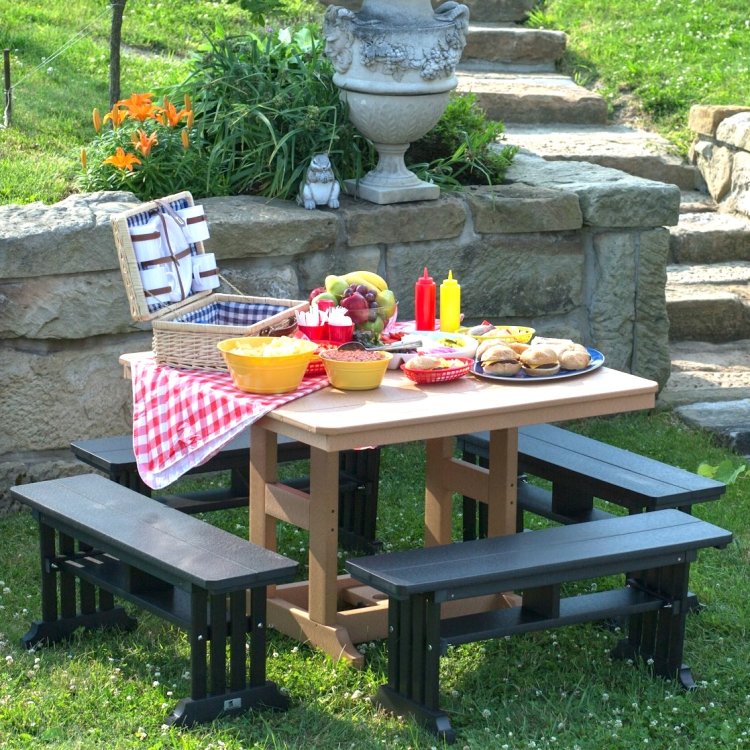
Picnic lunches — whether at a park, a rest area, or even a scenic pull-off — became part of the experience. Kids could move around. No one had to whisper. And the pace felt calmer.
Sandwiches from the cooler, chips from the snack bag, cold drinks on a warm day — it wasn’t fancy, but it worked.
Those breaks often felt more refreshing than sitting in a booth somewhere.
We Budgeted for One Nice Meal a Day
One rule we followed — and still do — is allowing ourselves one nicer meal each day.
We never wanted road trips to feel restrictive. If there was a local restaurant we were excited about, we went. No guilt.
The balance came from keeping breakfast and one other meal simple. When two meals are inexpensive, splurging on one feels reasonable — and enjoyable.
This approach kept food costs predictable without making travel feel cheap.
Snacks and Drinks: Where Small Choices Matter Most
Looking back, snacks and drinks were where we saved the most money without even trying.
Buying in bulk ahead of time. Keeping everything within reach. Avoiding impulse purchases at every stop.
Those habits didn’t feel like sacrifices. They just felt practical.
A Realistic Day of Road Trip Eating
Here’s what a typical day often looked like for us:
-
Breakfast: Hotel breakfast or yogurt and muffins
-
Morning snack: Granola bars from the snack bag
-
Lunch: Sandwiches from the cooler at a park or rest stop
-
Afternoon snack: Chips, fruit, cold drinks
-
Dinner: One sit-down meal or a local restaurant
Simple. Flexible. And easy to adjust when plans changed.
Keeping It Practical (Not Perfect)
Not every day went according to plan. Sometimes fast food happened twice. Sometimes the cooler stayed unopened.
That’s fine.
The value of meal planning isn’t rigidity — it’s freedom. Freedom from constant decisions. Freedom from overspending out of convenience. Freedom to enjoy the drive.
Looking Back on Those Miles
Now that our kids are grown, those road trips stand out as some of our favorite travel memories. The destinations mattered, but so did the rhythm of the days — the snacks, the picnics, the shared meals along the way.
Budget meal planning didn’t take anything away from those trips. If anything, it made them smoother and more enjoyable.
If you’re heading out on a family road trip, a cooler, a snack bag, and a loose plan for meals can go a long way. You’ll save money, reduce stress, and maybe even create a few traditions of your own.