Best Time to Visit Alaska: Weather, Wildlife, and Crowds by Month
By Jeff Lowe • December 12, 2025
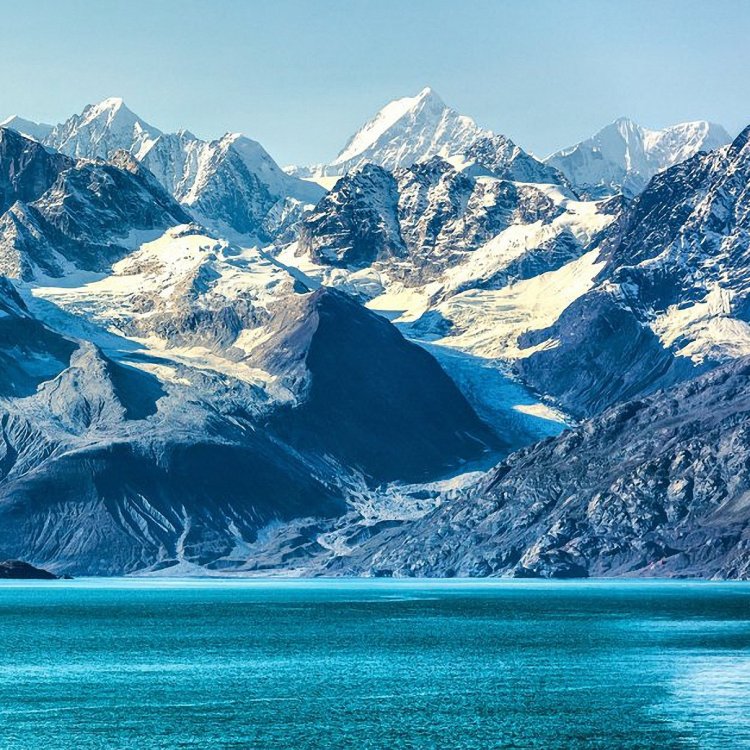
Alaska is one of those places where timing really shapes the entire experience. The same destination can feel wildly different depending on when you go—quiet and snow-covered one month, bursting with wildlife and endless daylight the next. Weather, crowds, road access, cruise schedules, and even which animals you’re likely to see all change throughout the year.
So when is the best time to visit Alaska? Well, it depends on what you’re hoping to get out of the trip. Are you chasing long summer days and easy travel? Hoping to see bears, whales, or salmon runs? Or maybe you’re curious about winter landscapes and fewer people around?
Below, we’ll walk through Alaska month by month, breaking down weather conditions, wildlife highlights, and crowd levels so you can decide what fits your travel style best. After all, Alaska isn’t a one-season destination—it’s a place that rewards good timing.
January: Deep Winter and Northern Lights
January is Alaska at its most wintry. Days are short, temperatures are cold, and much of the state is covered in snow. In Fairbanks, daytime highs often hover well below freezing, while coastal areas like Anchorage stay a bit milder but still chilly.
This is not the month for road trips or cruises. Many attractions are closed, and daylight can be limited to just a few hours in northern regions. But for the right traveler, January has a certain magic.
Why visit in January?
-
Excellent Northern Lights viewing, especially around Fairbanks
-
Quiet landscapes with almost no crowds
-
Prime time for winter activities like dog sledding and snowmachining
Wildlife sightings are more limited, but moose are often visible near roads, and winter birds can still be spotted.
Crowds are minimal, and prices for lodging are often lower. Just be prepared for cold temperatures and limited daylight.
February: Cold Days, Bright Nights
February feels similar to January, but daylight slowly begins to return. The days are still cold, yet the increasing sunlight makes exploring more enjoyable.
This is another strong month for aurora viewing. Clear, cold nights often create ideal conditions, and winter festivals begin popping up across the state.
Highlights in February:
-
Northern Lights remain strong
-
Winter festivals and cultural events
-
Better daylight than January, especially in southern Alaska
Crowds remain very low, making it a peaceful time to experience Alaska’s winter side. Wildlife remains subtle, but the scenery alone can feel otherworldly.
March: Longer Days and Late Winter Adventures
March is when winter starts to loosen its grip—at least a little. Snow is still deep, but days are noticeably longer, and the sun begins to feel stronger.
This is a popular month for Alaskans themselves, especially for skiing and snow sports. Travelers interested in winter activities often find March to be more comfortable than January or February.
Why March works well:
-
Great balance of winter scenery and daylight
-
Northern Lights still possible early in the month
-
More events and festivals
Crowds increase slightly, especially around spring break, but it’s still far from busy. Wildlife sightings remain limited, though daylight makes scenic drives more enjoyable where roads are open.
April: Shoulder Season and Transition Time
April is one of Alaska’s true shoulder months. Winter doesn’t fully leave, but spring hasn’t quite arrived either. Snow begins melting in southern areas, while northern regions remain firmly wintery.
Some attractions start reopening late in the month, but many still operate on reduced schedules.
What to expect in April:
-
Unpredictable weather
-
Fewer crowds and lower prices
-
Limited but growing access to activities
Wildlife begins to stir. Moose become more active, and birds start returning. However, road conditions can be muddy, and some trails are in rough shape.
April can be a great time for budget-conscious travelers who don’t mind flexibility.
May: Spring Awakens
May is when Alaska starts to feel alive again. Snow melts quickly in many areas, roads reopen, and daylight stretches long into the evening.
This is one of the best months for travelers who want fewer crowds but still want access to summer activities.
Why May is appealing:
-
Long daylight hours without peak crowds
-
Wildlife activity increases dramatically
-
Cruise season begins late in the month
Bears emerge from hibernation, migratory birds return, and early whales begin appearing along the coast. The weather can still be cool, but it’s generally pleasant for hiking and sightseeing.
Crowds are moderate, especially toward the end of the month, making May a strong contender for the best time to visit Alaska.
June: Peak Wildlife and Early Summer Energy
June marks the start of Alaska’s busiest and most vibrant season. Daylight is nearly endless, especially near the summer solstice, when the sun barely dips below the horizon.
Temperatures are mild, roads are open, and nearly all tours and attractions are running at full speed.
June highlights:
-
Prime wildlife viewing, including bears and whales
-
Excellent hiking and sightseeing conditions
-
Longest days of the year
Crowds increase noticeably, especially in popular destinations like Denali National Park and along cruise routes. Prices rise as well, but many travelers feel the experience is worth it.
If you want classic Alaska—lush landscapes, active wildlife, and full access—June delivers.
July: Warmest Weather and Peak Crowds
July is Alaska’s warmest month and the height of the tourist season. Temperatures are comfortable, sometimes even warm enough for short sleeves, especially in interior regions.
Everything is open, everything is busy, and everything feels energetic.
What July offers:
-
Best weather of the year
-
Salmon runs in many regions
-
Full schedule of tours and festivals
Wildlife viewing remains strong, with bears fishing for salmon and whales feeding along the coast. However, mosquitoes can be intense in some areas, especially inland.
Crowds are at their peak, and accommodations should be booked well in advance. If you don’t mind sharing Alaska with lots of other travelers, July is hard to beat.
August: Late Summer and Wildlife Riches
August is still part of peak season, but it begins to mellow slightly as families with school schedules head home. Weather remains pleasant, though evenings start to cool.
This is an excellent month for wildlife lovers.
Why August shines:
-
Peak salmon runs attract bears and eagles
-
Whales are still active
-
Fewer crowds than July
Rain becomes more common, particularly in coastal regions, but it rarely ruins a trip. Crowds are still significant, but noticeably lighter than mid-summer.
August strikes a nice balance between great conditions and slightly reduced tourism pressure.
September: Fall Colors and Fewer Visitors
September brings a noticeable shift. Days shorten, temperatures cool, and fall colors begin appearing across the tundra and forests.
This is another shoulder-season favorite.
September advantages:
-
Beautiful autumn scenery
-
Fewer crowds and lower prices
-
Northern Lights begin returning late in the month
Many tours start winding down, and cruise season ends by mid-September. Wildlife is still present, especially moose during rutting season.
For travelers who enjoy quieter experiences and moody landscapes, September can feel incredibly rewarding.
October: Quiet, Cool, and Atmospheric
October is a transition month back toward winter. Snow can begin falling, especially in northern areas and higher elevations.
Tourism infrastructure scales back significantly, and many lodges close for the season.
October is best for:
-
Solitude and photography
-
Early Northern Lights viewing
-
Dramatic fall landscapes
Crowds are very low, and prices drop accordingly. Wildlife sightings are less predictable, but moose and birds can still be seen.
This month is best suited for flexible travelers who value atmosphere over convenience.
November: Early Winter Returns
November feels like winter’s preview. Snow becomes more consistent, daylight fades quickly, and travel options become limited.
This is not a popular tourist month, but it has its own quiet charm.
November highlights:
-
Aurora viewing improves
-
Almost no crowds
-
Winter scenery begins to settle in
Wildlife viewing is minimal, but moose remain visible. This is a good time for travelers interested in Northern Lights and winter calm without extreme cold yet.
December: Snow, Festivities, and Polar Nights
December brings full winter back to Alaska. Snow blankets the landscape, and holiday festivities add warmth to the cold season.
Daylight is extremely limited, especially near the winter solstice, but the atmosphere can feel magical.
Why visit in December:
-
Holiday events and winter charm
-
Strong Northern Lights potential
-
Peaceful, snowy scenery
Crowds remain low outside of holiday weeks, and winter activities begin ramping up again.
So, When Is the Best Time to Visit Alaska?
The truth is, there’s no single best month—only the best time for you.
-
For classic summer adventures: June through August
-
For fewer crowds and great value: May and September
-
For Northern Lights and winter experiences: February and March
-
For budget-friendly, quiet travel: April or October
Alaska rewards travelers who match their expectations to the season. Whether you want endless daylight and wildlife encounters or snow-covered silence and dancing auroras, timing makes all the difference. Pick the month that fits your vision, and Alaska will meet you there.