Arizona Travel Guide: Must-See Attractions in the Desert Southwest
By Jeff Lowe • September 23, 2025
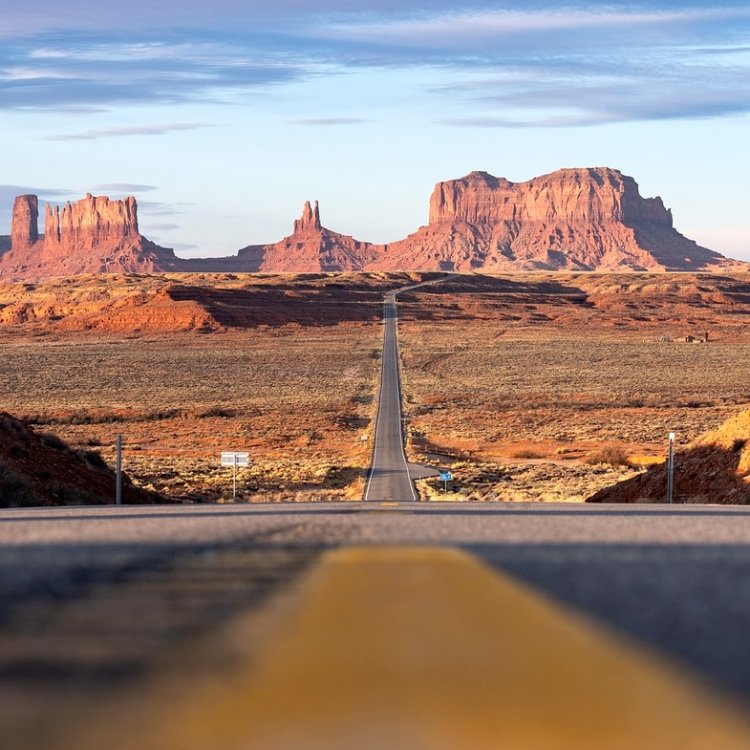
Arizona is one of those places that feels larger than life. Think endless desert highways lined with giant cacti, ancient cliff dwellings that whisper stories of the past, red rock towers that seem to glow at sunset, and of course, the jaw-dropping wonder that is the Grand Canyon.
It’s a state full of contrasts—snowy peaks in Flagstaff, desert heat in Tucson, and turquoise waters tucked away in the canyons near Page.
If you’re planning a trip, it can be hard to know where to start. To help, here’s a spotlight on 12 of Arizona’s top attractions, each with its own personality and things you won’t want to miss.
1. Grand Canyon National Park
You can’t talk about Arizona without starting here. The Grand Canyon is one of the most awe-inspiring places on Earth. Standing at the rim, you’ll feel like the world has opened up in front of you—a massive, colorful chasm carved over millions of years by the Colorado River. Photos don’t even come close.
Most visitors head to the South Rim, which has the widest range of viewpoints, visitor centers, and hiking trails. Walk along the Rim Trail for easy access to remarkable overlooks, or hike a short way down Bright Angel Trail to experience the canyon from below. For those who want a quieter vibe, the North Rim (open seasonally) offers a more peaceful perspective.
Travel Tip: Sunrises and sunsets here are spectacular, when the canyon walls glow in shifting colors. Pack layers—the rim can be chilly even in summer.
2. Sedona
Sedona feels like nature and art blended into one masterpiece. Surrounded by towering red rock formations, this town has become famous for its spiritual side, with energy vortexes that some believe radiate healing power. Even if you’re not into the mystical side, you can’t deny the magic of the scenery.
Hiking trails like Cathedral Rock, Devil’s Bridge, and Bell Rock are must-dos for adventure lovers. If you’d rather take it easy, book a pink Jeep tour and bounce through the backcountry while a guide handles the driving. Back in town, Sedona is packed with galleries, boutique shops, and cozy restaurants.
Travel Tip: Plan at least one evening outdoors. Sedona is a certified Dark Sky Community, which means the stargazing is unreal.
3. Monument Valley
When you picture the Wild West, chances are you’re picturing Monument Valley. Those towering sandstone buttes rising out of the desert floor have been the backdrop for countless movies, commercials, and postcards. But seeing them in person? That’s something else entirely.
The 17-mile scenic drive gives you access to some of the most recognizable views, but a Navajo-led tour will take you deeper into the valley, with cultural stories and hidden spots that self-drives can’t reach. The landscape is vast, quiet, and almost otherworldly—it makes you feel small in the best possible way.
Travel Tip: Stay overnight if possible. Watching the sun rise or set over the buttes is one of the most memorable sights in Arizona.
4. Antelope Canyon
This slot canyon near Page is pure magic. Over centuries, flash floods carved narrow passageways into swirling sandstone, creating smooth walls that twist like ribbons. When sunlight filters through the cracks, the canyon glows with warm oranges, reds, and purples—it feels like walking through a dream.
Antelope Canyon is split into Upper and Lower sections. Upper is easier to walk through, famous for its light beams in summer. Lower has ladders and tighter squeezes, making it a little more adventurous. Both are worth seeing, and both require a guided tour.
Travel Tip: Book early. Tours sell out months in advance, especially if you’re hoping to catch the light beams in Upper Antelope.
5. Horseshoe Bend
Just a few miles from Antelope Canyon, you’ll find Horseshoe Bend—the Colorado River making a perfect U-turn around a massive sandstone rock. The overlook is about a 15-minute walk from the parking lot, and the view will make your jaw drop. It’s one of those places that looks just as good (if not better) than the photos.
It can get crowded, but the viewing area is big enough that you can usually find a quiet corner. The sheer drop is dizzying, so hang onto your hat and keep your camera strap secure!
Travel Tip: The best light is in the late afternoon, when the sun isn’t directly overhead. Bring water—it’s a short hike but the desert heat is intense.
6. Petrified Forest National Park
Step back in time—way back. Petrified Forest National Park is filled with fossilized logs that are over 200 million years old. The colorful, crystal-like chunks of wood are scattered across a desert expanse that feels otherworldly. Add in the Painted Desert’s hills in shades of red, pink, and purple, and you’ve got a park that surprises most visitors.
It’s less crowded than Arizona’s other big parks, which makes it perfect for slow exploration. Scenic drives, short hikes, and historic sites like ancient petroglyphs round out the experience.
Travel Tip: Don’t pocket souvenirs—the petrified wood belongs here. Rangers say visitors who take pieces often end up mailing them back, claiming bad luck followed them.
7. Saguaro National Park
If there’s one symbol of Arizona, it’s the giant saguaro cactus. And at Saguaro National Park near Tucson, you’ll find thousands of them standing tall against the desert sky. Some grow up to 40 feet high and live for more than 150 years—it’s like walking among desert giants.
The park is split into two sections on either side of Tucson. Both offer scenic drives, easy trails, and those classic desert sunsets that will stick in your memory. Springtime brings the added bonus of blooming cacti, with white blossoms crowning the saguaros.
Travel Tip: The desert heat is real here. Plan hikes early in the day and bring more water than you think you’ll need.
8. Canyon de Chelly National Monument
Canyon de Chelly is both a natural wonder and a cultural treasure. Located in northeastern Arizona, the canyon has been home to Indigenous peoples for thousands of years. Today, Navajo families still live and farm within its walls. The mix of towering sandstone cliffs, ancient cliff dwellings, and a living community makes it unlike any other park.
You can drive along the rim for spectacular overlooks, including Spider Rock, an 800-foot sandstone spire. For a closer experience, guided tours into the canyon offer a chance to see ancient ruins and hear Navajo stories tied to the land.
Travel Tip: Be respectful—this is a monument and a home. Guided tours support the local Navajo community and add rich context to your visit.
9. Tucson
Tucson has a rhythm all its own. Surrounded by mountains and desert, it’s a city that celebrates culture, food, and the outdoors. It’s also a UNESCO City of Gastronomy, which means the food scene is top-notch. Think Sonoran hot dogs, fresh tamales, and incredible Mexican cuisine.
Beyond the food, Tucson offers plenty of history and adventure. Explore Mission San Xavier del Bac, hike in the nearby Catalina Mountains, or spend an evening at one of the city’s many observatories for exceptional stargazing.
Travel Tip: Bring your appetite. Tucson’s food scene is among the best in the Southwest, and it’s affordable compared to bigger cities.
10. Flagstaff
At 7,000 feet, Flagstaff feels like a totally different Arizona. This mountain town is surrounded by pine forests, and the cooler air makes it a refreshing escape from the desert heat. It’s also the perfect base for exploring northern Arizona, with easy access to the Grand Canyon, Walnut Canyon, and Sunset Crater Volcano.
Flagstaff itself has a fun, laid-back vibe. Downtown is full of coffee shops, breweries, and live music spots. If you’re into science, don’t miss Lowell Observatory, where Pluto was discovered.
Travel Tip: Pack layers. Even in summer, evenings in Flagstaff can be chilly thanks to the elevation.
11. Jerome
Perched on the side of Cleopatra Hill, Jerome is one of Arizona’s quirkiest towns. Once a booming copper mining community, it nearly became a ghost town before being reborn as an artist hub. Now, the narrow streets are lined with galleries, shops, and old buildings with plenty of character.
Jerome is also famous for its haunted history. The Jerome Grand Hotel and other spots claim paranormal activity, and ghost tours are a popular (and spooky) way to explore after dark.
Travel Tip: Wear good shoes—the streets are steep and winding. If you’re into the paranormal, book a ghost tour in advance.
12. Lake Powell
Lake Powell is a desert oasis. Created by the Glen Canyon Dam, this massive reservoir stretches across the Arizona–Utah border, with turquoise waters winding between red rock cliffs. It’s a playground for boating, kayaking, swimming, and fishing.
One of the most popular ways to experience Lake Powell is by renting a houseboat. Spending a few days cruising the lake, anchoring in secluded coves, and watching stars from the deck is a bucket-list experience.
Travel Tip: Summer is the busiest season. For a quieter trip with still-warm weather, visit in spring or fall.
Best Time to Visit Arizona
-
Spring (March–May): Perfect for wildflowers, mild weather, and hiking.
-
Fall (September–November): Fewer crowds and comfortable temps.
-
Winter (December–February): Cool in the desert, snowy up north—great variety.
-
Summer (June–August): Very hot at lower elevations; stick to mountains or lakes.
Wrapping Up
Arizona is a land of extremes—towering cacti and snow-dusted mountains, ancient ruins and buzzing cities, endless deserts and hidden lakes. No matter where you go, you’ll find something that takes your breath away.
So, what calls to you most? The drama of the Grand Canyon, the glow of Antelope Canyon, or maybe the offbeat charm of Jerome? Whatever your style, Arizona is a destination that keeps surprising you, trip after trip.