Planning Your Hawaiian Vacation: Best Months for Weather, Crowds, and Costs
By Jeff Lowe • December 4, 2025
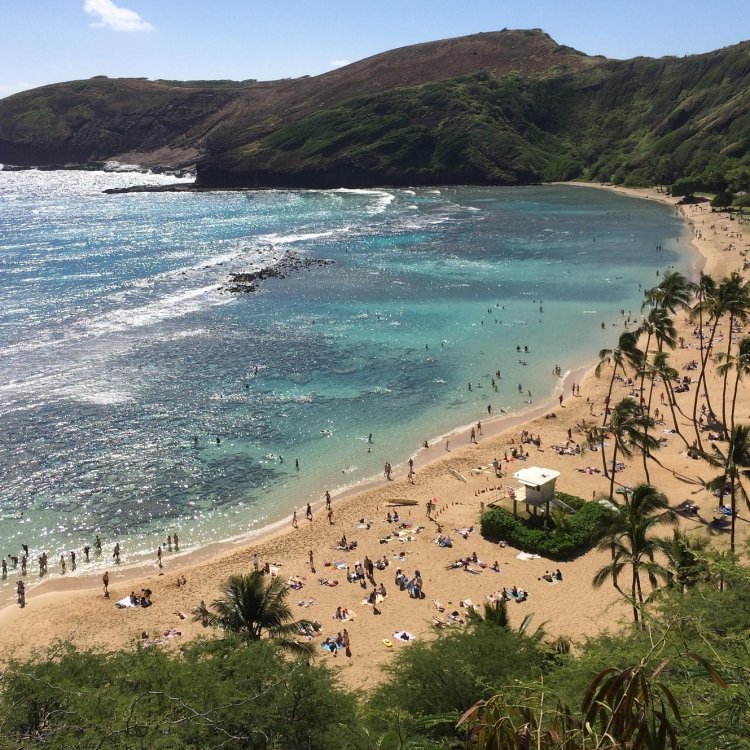
Hawaii consistently ranks among the most popular vacation destinations in the world, and it’s easy to understand why.
With its year-round warm temperatures, diverse landscapes, and welcoming island culture, the state offers something for just about every type of traveler.
My wife, Colleen, and I have visited Hawaii several times over the years for both anniversary getaways and family vacations, exploring Oahu, Maui, and the Big Island along the way.
One thing we’ve learned is that while Hawaii is a great destination any time of year, factors like weather patterns, crowd levels, and travel costs can make certain months especially appealing depending on what you’re looking for.
January: Winter Sun and Busy Beaches
January is firmly in Hawaii’s peak season. Travelers escaping winter weather on the mainland flock to the islands, and hotel prices reflect that demand. We’ve noticed crowds are especially noticeable in popular areas like Waikiki and the resort zones of Maui.
Temperatures are slightly cooler than summer, but still very comfortable, usually in the mid-70s to low 80s. Winter brings bigger surf, especially on Oahu’s North Shore, which is incredible to watch — even if you’re not brave enough to paddle out yourself. This is also prime whale-watching season, which adds a special layer of excitement to a winter visit.
February: Whale Watching and High Demand
February feels a lot like January in terms of weather and crowds. It’s still peak season, and prices remain high, especially around Presidents’ Day. The upside is that humpback whales are everywhere this time of year, particularly around Maui and the Big Island.
Rain showers are more common in winter months, but they tend to be brief. We’ve always found that a little rain just makes the islands greener and more dramatic — waterfalls are especially impressive this time of year.
March: Spring Break Energy
March starts to ease slightly out of peak season, though spring break travel can cause brief spikes in crowds and pricing. Weather remains pleasant, and rainfall gradually tapers off as the month goes on.
This can be a great time for families, especially if you’re planning activities like snorkeling, hiking, or exploring volcanoes on the Big Island. Just be aware that late March can feel busier if schools are out.
April: A Breath of Fresh Air
April is one of those months we often recommend to friends. Crowds thin out, prices soften, and the weather is warming up nicely. The islands feel a little calmer, especially compared to winter and summer peak seasons.
It’s a great month for outdoor adventures — hiking trails are lush, ocean conditions are improving, and attractions feel more relaxed. If you’re looking for balance, April checks a lot of boxes.
May: Sunshine Without the Summer Rush
May is another excellent month to visit Hawaii. The weather is consistently warm and dry, but the big summer crowds haven’t arrived yet. We’ve found this to be a sweet spot for couples or anyone who prefers a quieter pace.
Beach days, snorkeling trips, scenic drives — everything just feels easier in May. Prices are often more reasonable, too, especially compared to June and July.
June: Summer Begins
June marks the start of summer vacation season, and crowds begin to build. Weather is sunny and dry, which makes it ideal for beach lovers and water activities.
Even so, prices climb quickly, especially in popular resort areas. If June is your target, booking flights and accommodations early can make a big difference.
July: Peak Summer Vibes
July is one of the busiest months in Hawaii. Families travel in full force, and the islands take on a lively, energetic feel. If you enjoy festivals, events, and a buzzing atmosphere, this is your month.
Expect higher hotel rates and packed attractions, but also near-perfect weather. Long daylight hours make it easy to pack a lot into each day.
August: Hot, Busy, and Bright
August continues the summer trend with high temperatures and high demand. Ocean conditions are excellent, and the water is warm — perfect for snorkeling, paddleboarding, and swimming.
Crowds can be heavy, but if you don’t mind planning ahead and starting your days early, August still delivers a memorable Hawaiian experience.
September: Our Personal Favorite
September is hands-down our favorite time to visit Hawaii.
After the summer rush fades, the islands breathe again. Crowds thin out noticeably, prices drop, and the weather remains fantastic. We’ve traveled during the September timeframe multiple times, and it consistently offers the best balance.
The beaches feel less crowded, restaurant reservations are easier to snag, and everything just feels more relaxed. If you’re flexible with timing, September is hard to beat.
October: Calm, Comfortable, and Affordable
October continues many of the same benefits as September. It’s another month we truly love. Temperatures stay warm, rainfall is low, and crowds remain manageable.
We’ve found October to be perfect for both couples trips and laid-back family travel. It’s also a great time to explore scenic drives, national parks, and quieter beaches without feeling rushed.
November: Peaceful and Underrated
November is often overlooked, but it’s a surprisingly good time to visit. Prices stay relatively low until late in the month, and crowds are light.
Weather remains pleasant, and whale season begins toward the end of November. This month feels unhurried, which is ideal if your idea of a Hawaiian vacation involves slowing down and soaking it all in.
December: Festive but Busy
December brings holiday crowds and higher prices, especially around Christmas and New Year’s. Even so, Hawaii during the holidays has a special charm — festive decorations, seasonal events, and warm weather while much of the mainland is cold.
If you’re planning a December trip, booking early is essential. Outside of the holiday weeks, early December can still offer decent value and fewer crowds.
Choosing the Right Time for You
After visiting Hawaii multiple times across different seasons, one thing has become clear to us: there really is no bad time to go. Weather is generally great year-round, and each season brings its own advantages.
Still, if you’re looking for the best combination of beautiful weather, lighter crowds, and better prices, the September–October window is tough to beat — and it’s why we keep going back during that time. Visit in winter for whale watching, in summer for beach days, or in spring for shoulder-season savings; Hawaii has a way of delivering exactly what you need.
So when will you go? Honestly, any month you choose is likely to become one of your favorite travel memories.