Carry-On Packing Guide: Smart Ways to Maximize Airline Allowances
By Jeff Lowe • December 7, 2025
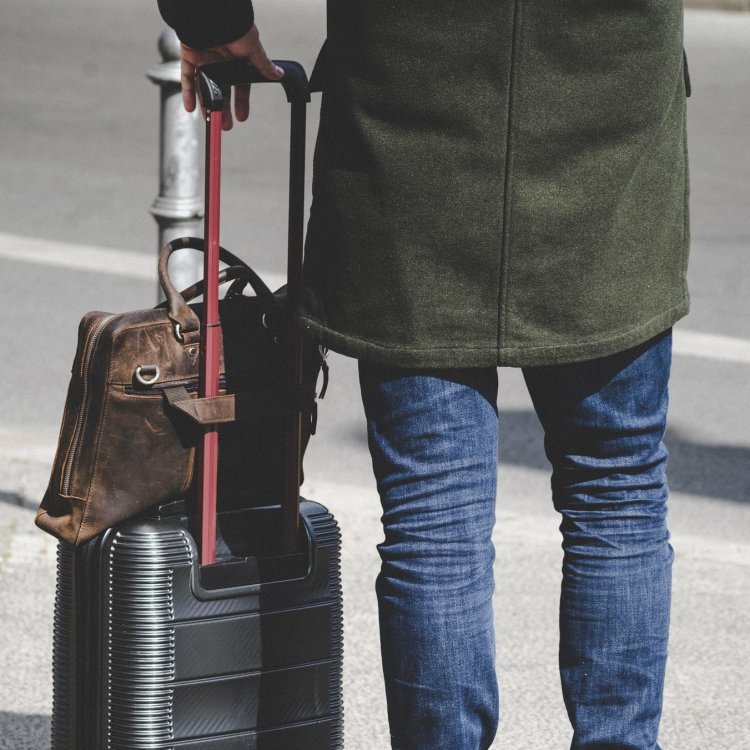
Travelers are getting more strategic than ever about avoiding unnecessary baggage fees. And packed flights, inconsistent airline rules, and surprise gate checks have prompted many people to rethink what they carry—and how they carry it.
That’s why mastering the art of flying carry-on only has become almost a travel skill in itself.
The good news? Once you understand airline allowances, personal item strategies, loopholes, and smart packing techniques, it becomes surprisingly easy to skip the checked-bag line while still bringing everything you actually need.
This guide focuses on exactly that—the practical, real-world ways to maximize what airlines let you bring for free, while still keeping your load light enough to manage comfortably.
So, let’s break down how to make carry-on only travel work in your favor, every single time.
Understanding What You’re Allowed to Bring (And How to Maximize It)
Well, the foundation of carry-on only travel comes down to understanding airline rules—because they vary more than most people realize.
Most Airlines Allow Two Free Bags:
-
One standard carry-on (goes in the overhead bin)
-
One personal item (must fit under the seat)
Where travelers get into trouble is assuming the personal item must be tiny. In reality, the airline’s only requirement is that it fits under the seat—meaning you can use something surprisingly roomy.
Typical Size Limits
-
Carry-on: About 22" x 14" x 9"
-
Personal item: Around 18" x 14" x 8"
Some airlines are stricter, but if your personal item is roughly the size of a small backpack or compact duffel, you’re usually fine.
Your goal:
Use both spaces to their fullest without looking like you’re pushing limits. If your bags appear reasonable, airline staff rarely check measurements.
It’s less about what you pack and more about how you distribute it.
Pick the Right Carry-On: Structure Matters More Than Size
A lot of people choose the biggest suitcase allowed, but here’s the problem:
Efficient carry-on travel is about structure, not just size.
Hard-shell suitcases
-
Keep their shape (good for overhead bins).
-
Prevent you from overstuffing (which avoids gate-checking).
-
Protect fragile items.
Soft-shell suitcases
-
Flex slightly to fit tight spaces.
-
Have more external pockets.
-
Let you squeeze in odd-shaped items (within reason).
Either type works as long as it’s well-organized inside. What really matters is that your carry-on always looks like it fits the airline’s rules. If it appears bloated or stretched, that’s when gate agents start tagging bags.
Use Your Personal Item Wisely (This Is Where the Extra Space Comes From)
This is the most overlooked hack in carry-on only travel.
Your personal item doesn’t need to be a tiny purse or laptop sleeve. Airlines don’t require it to be small—they only require it to fit under the seat.
Smart Personal Item Choices
-
A structured backpack
-
A compressible travel backpack
-
A slim duffel bag
-
A tote with a rectangular base
-
A “weekender” style bag that still fits under the seat
If you choose a bag with vertical sides instead of sloping ones, you gain several extra liters of space without anyone noticing.
What Goes in the Personal Item
Think in terms of categories rather than objects:
-
Everything valuable (electronics, medications)
-
Everything you may need during the flight
-
Everything you can’t risk being gate-checked
This is the bag that protects you from airline surprises.
Wear Your Bulky Items — The Easiest Free Space “Hack”
Well, we can’t say it enough: what you wear doesn’t count toward your baggage allowance.
So if you want to maximize what really fits in your suitcase, wear:
-
Your bulkiest shoes
-
Your heavier jacket or hoodie
-
A scarf (great as a blanket on the plane)
-
Jeans instead of lighter pants
You don’t have to roast on the plane either. Just layer strategically so you can remove pieces once seated.
This one trick often frees several liters of space.
Pack Like Everything Might Get Gate-Checked
Here’s the reality of flying these days:
Even if your carry-on fits the rules perfectly, a full flight can trigger unexpected gate-check requirements.
That’s why your personal item should be packed with the mindset of:
“If my suitcase disappears under the plane, will I still be okay?”
Put these items in your personal item, always:
-
Medications
-
Electronics
-
Identification and documents
-
A change of underwear / socks
-
Chargers
-
Anything fragile
-
Jewelry or valuables
-
Essential toiletries
This approach removes all stress when a flight attendant says, “We’re out of bin space. You’ll need to check your bag.”
You can just hand it over, knowing your essentials are still with you.
Organize Your Carry-On for Maximum Capacity
Bag layout matters more than travelers realize. If your suitcase is chaotic, it fills up too fast, and you lose space to awkward gaps.
Use Packing Cubes
They aren’t hype—they’re transformational.
Cubes:
-
Compress soft items
-
Allow for neat stacking
-
Eliminate wasted space
-
Make it easy to find things without unpacking
Using two or three cubes is often better than one big cube, because they stack and shift less.
Compression Bags
Ideal for large items like:
-
Coats
-
Hoodies
-
Jeans
-
Sweaters
Just avoid overusing them, because compressed items can become too dense and heavy.
Use Every Pocket
Side pockets = cords, socks, travel flats, belts
Front pockets = documents, boarding passes, electronics
Lid pockets = small clothing items, sleepwear
Don’t underestimate what a well-designed pocket can hold.
Think in Terms of “Weight Zones”
A lot of passengers forget weight limits—especially on international flights, where some airlines enforce them strictly.
Best Weight-Distribution Strategy
-
Heaviest items: In your personal item or at the bottom of your carry-on
-
Lightest, bulkiest items: Near the top of your carry-on
-
Dense electronics: In your personal item where weight limits aren’t checked
Most airlines don’t weigh personal items. So putting your electronics there can save you from overweight fees.
Know the Airline Loopholes (All Completely Allowed)
Airlines permit more “extras” than most travelers realize. These don’t count toward your bag limit:
-
Coats and jackets
-
Umbrellas
-
Food purchased after security
-
Duty-free shopping bags
-
A neck pillow
-
Medical devices
-
Breast pumps or medical coolers
-
Assistive devices like canes
If you need a little extra room, transferring non-liquids into a duty-free bag is a totally legitimate way to carry a few more things onboard. Travel pros do it all the time.
Avoid the Items That Get People in Trouble
These are the things that often push travelers into “gate-check zone” or make their bags look oversized:
Overly stuffed soft backpacks
When fabric bulges outward, the bag looks huge—even if it’s technically within limits.
Extra shopping bags
This screams “too much luggage,” and airlines notice.
Loose jackets tied around a handle
Wear it instead—otherwise you look like you’re carrying more than allowed.
Odd-shaped items
Tripods, bulky souvenirs, rigid containers… anything awkwardly shaped triggers attention.
The goal is to look tidy and streamlined—even if both your bags are full.
How to Keep Your Carry-On Manageable (So You’re Not Struggling)
Sure, airlines allow two bags, and you can maximize them, but the other half of the equation is practicality. You’ll still need to walk, lift, maneuver, and fit things under seats.
So here are the guidelines seasoned travelers follow:
Weight Goal
Keep both bags combined under 25–28 pounds if possible.
Much more than that becomes uncomfortable fast.
Ease of Access
Your personal item should open wide enough to reach things mid-flight.
Comfortable Carrying
Choose bags with:
-
padded backpack straps
-
a trolley sleeve
-
or a comfortable shoulder strap
If your bags slow you down, the “carry-on only” benefit disappears.
Balance: The Real Secret to Carry-On Only Travel
So here’s the big takeaway:
Traveling carry-on only isn’t about cramming in as much as physically possible.
It’s about:
-
Making smart use of what airlines allow
-
Staying practical with what you can comfortably manage
-
Organizing your gear for efficiency
-
Distributing weight and essentials wisely
-
Knowing what to wear, what to pack, and what to skip
When all of those pieces come together, suddenly traveling without checked bags feels easy—almost effortless.
Wrapping Up
Packing carry-on only isn’t about restriction. It’s about travel freedom. When you take advantage of airline allowances, choose the right bags, and use smart organization, you can bring more than enough without ever waiting at a baggage carousel or worrying about lost luggage.
And the best part? It only gets easier with practice. So the next time you’re packing for a trip, try out these tips, see how they feel, and customize your system until it works perfectly for you. Ready to give it a go?