Best Credit Card Tips to Avoid Foreign Transaction Fees Abroad
By Jeff Lowe • July 8, 2026
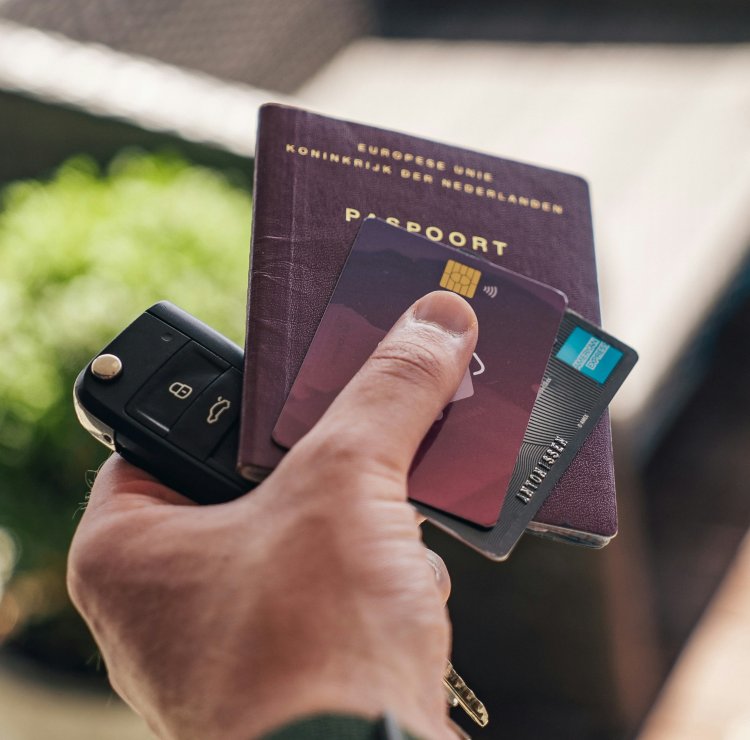
Planning an international trip is exciting, but it's also a good time to make sure your money is working for you instead of against you. One expense that often catches travelers by surprise is the foreign transaction fee. While a few dollars here and there may not seem like much, those charges can quickly add up over the course of a vacation.
Fortunately, avoiding these fees is easier than ever in 2026. Many travel-friendly credit cards have eliminated foreign transaction fees, contactless payments are accepted throughout much of the world, and travelers have more options than ever for managing money abroad.
After more than 30 years of international travel, Colleen and I have learned that a little preparation goes a long way. We're currently planning another trip this fall through Great Britain, France, and Italy, and reviewing our payment options has become just another part of our pre-trip checklist. The good news is that avoiding unnecessary fees is usually much simpler than people expect.
What Are Foreign Transaction Fees?
A foreign transaction fee is an extra charge that some credit card issuers add when you make a purchase outside the United States. In many cases, the fee is around 3% of the purchase price.
That may not sound significant, but it adds up quickly.
Imagine spending:
- $2,000 on hotels
- $1,000 on dining
- $1,500 on attractions and shopping
With a 3% foreign transaction fee, you'd pay an additional $135 just for using your credit card.
The frustrating part is that this fee doesn't provide any additional service—it's simply an extra cost that can usually be avoided.
Choose a Credit Card That Doesn't Charge Foreign Transaction Fees
The easiest way to eliminate these fees is to use a credit card that simply doesn't charge them.
Many travel rewards cards and even some cash back cards now waive foreign transaction fees entirely. If you travel internationally even once every few years, it's worth checking the terms of your existing cards before your trip.
We've been using a travel rewards credit card with no foreign transaction fees for years, and it's one less thing to worry about whenever we're overseas. Since we're preparing for another European trip this fall, it was reassuring to confirm that this benefit is still included.
If your current card still charges foreign transaction fees, it may be worth applying for one that doesn't before your next international vacation.
Always Pay in the Local Currency
This is probably the biggest mistake travelers still make.
When paying with a credit card overseas, the payment terminal may ask something like:
- Pay in U.S. Dollars?
- Pay in Euros?
- Pay in Pounds?
It seems logical to choose U.S. dollars because that's the currency you're familiar with.
Don't.
Instead, always select the local currency.
Why?
Because choosing U.S. dollars activates a process known as Currency Conversion at the Point of Sale.
Avoid Unfavorable Exchange Rates
Seeing your total in dollars at checkout sounds helpful because it shows you exactly what you'll be charged.
The problem is that the exchange rate is almost always much worse than what your credit card network would provide.
In many cases, accepting this rate costs an extra 3% to 10%—sometimes even more.
Even if your credit card has no foreign transaction fees, accepting a merchant's conversion rate can erase that advantage.
Whenever you're given the option, remember:
- Choose the local currency.
- Let your credit card company handle the conversion.
- You'll almost always receive a better exchange rate.
It's one of the easiest ways to save money without changing your spending habits.
Know Which Cards to Use Overseas
Not every card in your wallet needs to come with you.
Before leaving home, consider bringing:
- One primary credit card with no foreign transaction fees
- One backup credit card from a different payment network
- A debit card for ATM withdrawals
- A small amount of local cash
Having a backup card is essential if your primary card is lost, damaged, or unexpectedly declined.
Use Credit Cards for Most Purchases
In many countries, especially throughout Europe, credit cards are accepted almost everywhere.
Restaurants, museums, trains, taxis, grocery stores, and even small cafés increasingly accept contactless payments.
Credit cards generally offer:
- Better fraud protection
- Stronger purchase protections
- Rewards or cash back
- Competitive exchange rates
Unless a business only accepts cash, using your credit card is often the safest and most convenient option.
Use Debit Cards Carefully
Debit cards still have their place, but mostly for withdrawing cash.
When using a debit card overseas:
- Use ATMs operated by established banks whenever possible.
- Withdraw larger amounts less frequently to reduce ATM fees.
- Decline terminal conversion rates if offered.
- Choose to be charged in the local currency.
Some banks also reimburse international ATM fees, making them particularly useful for frequent travelers.
Mobile Wallets Are Better Than Ever
Mobile wallets have become one of the easiest ways to pay while traveling.
Whether you're using:
- Apple Pay
- Google Wallet
- Samsung Wallet
contactless payments are now accepted throughout much of Europe and many other destinations.
Using a mobile wallet doesn't eliminate foreign transaction fees by itself—the underlying credit card still determines those—but it does provide additional security since your actual card number isn't shared with the merchant.
It's also incredibly convenient when you're hopping on trains, buying transit tickets, or grabbing lunch at a café.
Do You Still Need to Notify Your Bank?
Years ago, calling your bank before an international trip was almost mandatory.
Today, that's often no longer necessary.
Most major card issuers now use advanced fraud detection systems that recognize legitimate travel patterns.
Even so, it's still worth checking your card issuer's recommendations before departure. Some smaller banks or credit unions may still appreciate advance notice, and it's always smart to verify that your contact information is current in case they need to reach you.
Watch for Other Hidden Travel Fees
Foreign transaction fees aren't the only costs to watch for.
Keep an eye out for:
- ATM operator fees
- Currency exchange kiosk markups
- Hotel currency conversion charges
- Poor exchange rates at airports
- Merchant conversion charges at restaurants and shops
Many travelers focus only on their credit card while overlooking these other expenses that can quietly increase the cost of a trip.
Should You Exchange Money Before You Leave?
Not necessarily.
For most destinations, you only need a modest amount of local currency when you arrive.
Enough for:
- Transportation
- A snack or meal
- Small purchases
- Tips where appropriate
After that, you can usually rely on your credit card for most purchases and use an ATM if you need additional cash.
Airport currency exchange counters are convenient, but they rarely offer the best exchange rates.
Before You Leave Home
A quick checklist can help ensure you're ready:
- Confirm your primary credit card has no foreign transaction fees.
- Bring a backup credit card.
- Verify your cards won't expire during your trip.
- Add your cards to your mobile wallet.
- Memorize or securely store your card issuer's international phone number.
- Review your card's travel benefits, such as rental car insurance or travel protection.
- Pack a debit card for ATM withdrawals.
- Learn how to decline terminal conversion rates if they are offered.
A few minutes of preparation can prevent a lot of frustration once you're abroad.
Travel Smarter, Spend Less
One of the nice things about international travel today is that managing your money has become much easier than it was even a decade ago. Between widespread contactless payments, travel-friendly credit cards, and better fraud protection, it's possible to explore much of the world without worrying about excessive banking fees.
After decades of traveling internationally, we've found that the biggest savings often come from carrying a credit card with no foreign transaction fees, always paying in the local currency, declining terminal conversion rates, and keeping a backup payment method handy. Those small decisions can save well over a hundred dollars on a typical vacation—money that's much better spent enjoying another memorable meal, museum, or day of sightseeing.