What to Do When Hotels Are Sold Out: Smart Ways to Find a Place to Stay
By Jeff Lowe • March 9, 2026
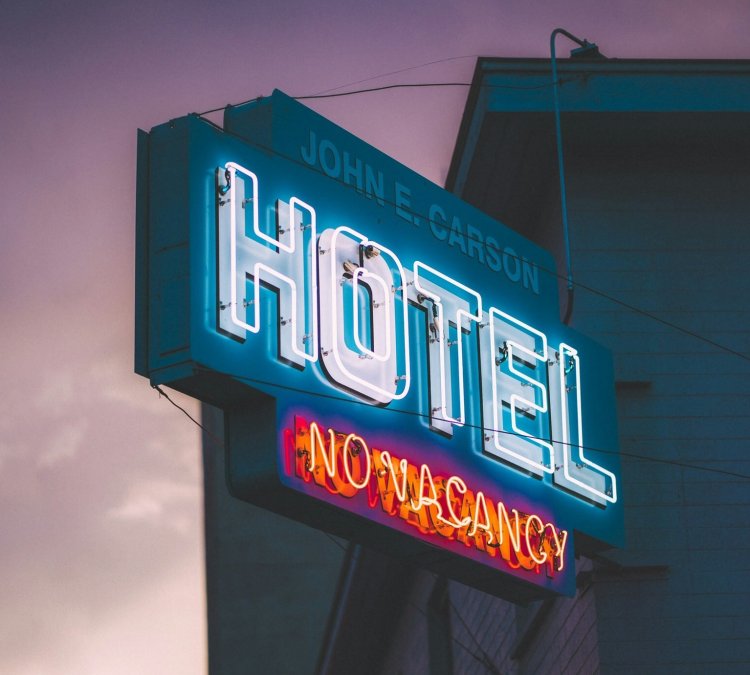
Planning a trip often follows a familiar pattern. You choose a date that works, research a few activities, and then book a place to stay. Most of the time, the process is simple and straightforward. But every now and then, travelers run into an unexpected surprise — you commit to visiting an area only to discover that a major event is happening the same weekend, and hotel prices have suddenly doubled or even tripled compared to what you expected.
We experienced this firsthand during a family trip to visit relatives in Indianapolis. After coordinating schedules with family, we bought tickets to a basketball game we thought everyone would enjoy. Only afterward did we start searching for a hotel. That’s when the shock hit. Nearly every hotel in the area was either booked or charging sky-high prices.
Eventually we discovered the reason: our visit happened to fall on the weekend of the famous Indianapolis 500. We were completely unaware when we planned the trip. We did manage to find a place near my wife’s family, but it cost far more than we expected. The weekend still turned out to be a great time — but it definitely taught us a lesson about checking local events before booking travel.
If you ever find yourself in a similar situation, don’t assume the trip is doomed. With a little creativity and flexibility, it’s often still possible to find affordable lodging even when everything appears to be sold out.
Expand Your Search Radius
When a city hosts a major event, the hotels closest to the action fill up first. Prices in the immediate area can skyrocket due to demand.
One of the simplest solutions is to widen your search area.
Look at smaller towns or suburbs 20–60 minutes away from the event location. Many travelers focus only on the main destination, which means nearby communities may still have reasonable availability.
For example, when large events take place in Indianapolis, visitors sometimes find better lodging options in surrounding areas like:
-
Greenwood
-
Fishers
-
Noblesville
-
Plainfield
-
Anderson
Even if the drive is a little longer, the savings can be significant. And in many cases, you’ll spend less time dealing with event traffic once you leave the city center.
Look for Smaller Independent Hotels
Major booking sites tend to highlight large hotel chains. But smaller independent motels and family-run properties often fly under the radar.
These places sometimes:
-
Don’t list every room on big travel sites
-
Maintain their own reservation systems
-
Still have availability even when chain hotels are sold out
Older roadside motels, in particular, can be great options during busy weekends. They might not have luxury amenities, but they’re often clean, affordable, and conveniently located.
A quick search in Google Maps can sometimes reveal hidden lodging options that never appear on Expedia or Booking.com.
Call Hotels Directly
It may sound old-fashioned, but picking up the phone can occasionally produce surprising results.
Hotels sometimes hold back a few rooms from online booking platforms for:
-
Walk-in guests
-
Loyalty members
-
Special situations
Calling directly also gives you a chance to ask about:
-
Cancellations that haven’t yet been posted online
-
Waiting lists
-
Minimum stay requirements that could be waived
Front desk staff often have more flexibility than automated booking systems.
Monitor Last-Minute Cancellations
Even during major events, travel plans change.
People cancel reservations because of:
-
Illness
-
Weather
-
Schedule changes
-
Ticket issues
These rooms can suddenly reappear online just days — or even hours — before the event.
If you’re willing to check availability regularly, you might find an opening that wasn’t there the day before.
Helpful strategies include:
-
Checking hotel booking sites several times per day
-
Setting price alerts
-
Looking again the morning of arrival
Persistence can pay off.
Split Your Stay Between Multiple Hotels
Sometimes the problem isn’t that every hotel is full — it’s that no single hotel has availability for the entire length of your stay.
For example:
-
Hotel A may have availability Friday night
-
Hotel B may have rooms Saturday night
By splitting the stay between properties, you may still be able to visit during the busy weekend.
It’s not the most convenient solution, but for short trips it can work surprisingly well.
Tips for making this easier:
-
Choose hotels close to each other
-
Pack lightly for quick checkouts
-
Ask if the hotel can hold luggage between check-in times
Consider Vacation Rentals or Spare Rooms
Hotels often fill up first during major events, but private accommodations may still be available.
Platforms like:
-
Airbnb
-
Vrbo
sometimes offer options that hotels can’t.
Possible alternatives include:
-
Private rooms in someone’s home
-
Basement apartments
-
Guesthouses
-
Entire houses rented by local residents
Some homeowners specifically rent out space during big events to earn extra income.
While prices may still be higher than normal, they can occasionally be cheaper than event-weekend hotel rates.
Check College Dorm Rentals
This is one of the more overlooked lodging options.
Many universities rent out student housing during:
-
Summer months
-
Large conventions
-
Major city events
Dorm rooms are typically basic but affordable, and they may include:
-
Shared bathrooms
-
Campus parking
-
Easy public transit access
Cities with large universities often have these programs, though they aren’t always widely advertised.
Try Campgrounds, Cabins, or RV Parks
If you’re open to something different, outdoor lodging can be a lifesaver during busy weekends.
Options might include:
-
State park campgrounds
-
Private cabin rentals
-
RV parks
-
Glamping sites
Even if you’re not a traditional camper, many parks offer simple cabins with beds and electricity.
For major events like the Indianapolis 500, camping is actually a popular tradition for many fans.
Stay in a Nearby City and Commute
When the host city is completely booked, look at nearby cities connected by highways or rail.
For instance, visitors traveling to Indianapolis events sometimes stay in cities like:
-
Lafayette
-
Bloomington
-
Muncie
-
Terre Haute
A one-hour drive might sound inconvenient at first, but during large events it’s often easier than battling traffic near the venue.
And in many cases, hotels outside the main event area charge normal rates rather than inflated event pricing.
Check Local Community Groups
Local residents often know lodging options that visitors overlook.
Places to search include:
-
Local Facebook groups
-
Event-specific discussion forums
-
Community message boards
-
Reddit threads
Occasionally, residents will post spare rooms, short-term rentals, or last-minute openings.
Just be sure to verify listings carefully and avoid sending payments without proper confirmation.
A Lesson Learned the Hard Way
Our Indianapolis trip ended up being a perfect example of how easy it is to overlook a major event while planning travel.
We thought we had planned carefully — coordinating family schedules, buying basketball tickets, and looking forward to a fun weekend. Only later did we realize our visit coincided with one of the biggest sporting events in the country.
We did eventually find a hotel near my wife’s family, but we definitely paid more than we expected. In hindsight, a quick look at the city’s event calendar might have saved us quite a bit of money.
That said, the trip was still a great experience. Sometimes travel hiccups simply become part of the story.
Flexibility Can Save the Trip
Running into sold-out hotels or sky-high prices can feel discouraging at first. But major events don’t always have to derail your plans.
A little flexibility — whether it’s staying farther away, trying a different type of lodging, or monitoring last-minute openings — can often reveal options that aren’t obvious at first glance.
So if you ever arrive at a destination only to discover a huge event has taken over the city, don’t panic. With some creative thinking and a bit of persistence, you may still find the perfect place to stay.
And who knows? You might even end up with a travel story that’s just as memorable as the event itself.