Top US Gator Destinations: Best Places to See Alligators in the Wild and Up Close
By Jeff Lowe • March 3, 2026
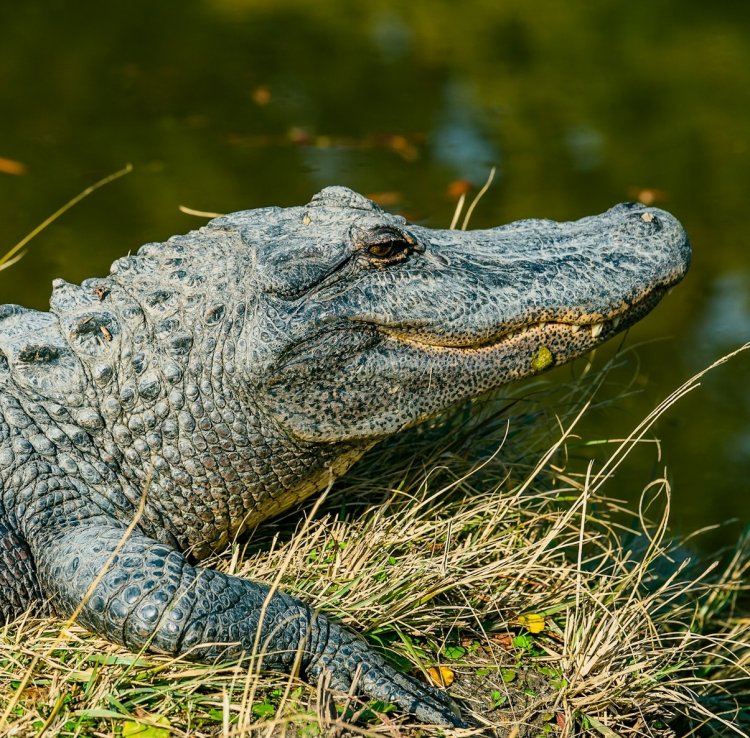
Alligators are one of those uniquely American wildlife icons. Powerful, prehistoric, and a little mysterious, they draw travelers from around the world who want to see them up close — or at least from a safe distance.
From the wetlands of South Florida to the swamps of Louisiana and even parts of coastal Texas and the Carolinas, alligators thrive in warm freshwater habitats across the Southeast. Some destinations offer guaranteed sightings along scenic boardwalks. Others feature high-energy airboat rides or family-friendly gator farms where kids can safely interact with hatchlings.
If you’re planning a Gulf Coast vacation, a Florida road trip, or even a New Orleans getaway, adding a gator stop can turn a good trip into a memorable one. Here are the top US gator destinations — whether you want wild encounters, educational experiences, or just a great photo.
Best Places to See Alligators in the Wild
1. Everglades National Park (Florida)
When people think of alligators, they think of the Everglades. And for good reason.
This vast “River of Grass” ecosystem is one of the best places in the country to see gators in their natural habitat. The Anhinga Trail is especially famous for easy, close-up sightings — often just a few feet from the boardwalk.
One area that stands out is:
-
Shark Valley – A 15-mile loop trail where visitors bike or take a tram ride past ponds absolutely packed with alligators.
Dry season (December–April) is prime time. Water levels drop, concentrating wildlife and making sightings almost guaranteed.
An airboat ride through the Everglades is still on my personal to-do list. It’s one of those classic Florida experiences that just feels essential.
2. Big Cypress National Preserve (Florida)
Just north of the Everglades, Big Cypress feels wilder and less crowded. Scenic drives like Loop Road offer roadside gator sightings, especially during cooler months when they bask in the sun.
It’s a quieter alternative if you prefer fewer tour buses and more of a “find them yourself” adventure.
3. Okefenokee Swamp (Georgia)
If you want something atmospheric and slightly off the beaten path, Okefenokee delivers.
This blackwater swamp on the Georgia–Florida border offers canoe trails and boat tours through cypress forests draped in Spanish moss. The water is often still and reflective — and then suddenly, you’ll notice a pair of eyes just above the surface.
It feels remote in the best possible way.
4. Jean Lafitte National Historical Park and Preserve (Louisiana)
Just outside New Orleans, this preserve offers boardwalk trails and guided swamp tours where gators are common.
This is where the Louisiana airboat experience really shines. Flying across shallow marshes with a local guide pointing out wildlife sounds like an incredible bucket-list adventure. I haven’t done it yet — but it’s high on my list.
5. Brazos Bend State Park (Texas)
Many travelers don’t realize Texas has a healthy alligator population.
Located near Houston, Brazos Bend is known for large gators lounging near hiking trails and lakes. The park even posts regular wildlife alerts so visitors know where recent sightings have occurred.
It’s a surprising and accessible option if you’re exploring Southeast Texas.
State Parks with Reliable Gator Sightings
6. Myakka River State Park (Florida)
Myakka is famous for its gator population. A canopy walkway and observation tower provide elevated views, while the park’s lakes often host dozens of gators sunning themselves.
It’s a great option for families who want nature without venturing too deep into the backcountry.
7. Hunting Island State Park (South Carolina)
Along the South Carolina coast, gators inhabit freshwater lagoons just inland from the beach.
Hunting Island combines coastal beauty with wildlife viewing — a fun contrast if you’re on a beach vacation but want something different for an afternoon.
Gator Farms, Parks & Family-Friendly Experiences
Wild sightings are exciting, but sometimes you want a guaranteed experience — especially with kids.
8. Gatorland (Orlando, Florida)
Nicknamed the “Alligator Capital of the World,” Gatorland is a classic Florida roadside attraction — in the best way possible.
Highlights include:
-
Gator feeding shows
-
Educational demonstrations
-
A zipline over a gator-filled marsh
-
Thousands of alligators in one place
It’s quirky, fun, and very Florida.
9. St. Augustine Alligator Farm Zoological Park (Florida)
This historic zoo offers something unique: every species of crocodilian in the world.
It’s more educational than some roadside gator attractions and gives visitors a global perspective on these reptiles. If you’re already exploring St. Augustine, it’s an easy add-on.
10. Gator Beach at Fudpucker's (Destin, Florida)
One of our most memorable gator experiences wasn’t in a swamp — it was at a restaurant.
We’ve visited Fudpucker’s in Destin several times, and their Gator Beach attraction is surprisingly well done. It’s free to enter, and kids can safely observe (and sometimes even hold) baby alligators under staff supervision.
Our kids had the chance to pet small gators there, which was one of those moments they still talk about. It’s a perfect example of how a beach vacation can unexpectedly turn into a wildlife experience.
If you’re already visiting Destin, this is an easy, family-friendly way to introduce kids to alligators without trekking into wetlands.
11. Avery Island (Louisiana)
Best known as the home of Tabasco, Avery Island’s Jungle Gardens offer scenic drives and walking trails through marshland where gators are frequently spotted.
It’s a mix of gardens, bird rookery, and swamp habitat — a relaxed way to see wildlife while exploring Cajun country.
Airboat Tours: The Classic Gator Adventure
If there’s one experience that defines Southern gator culture, it’s the airboat tour.
Operators around the Everglades and coastal Louisiana specialize in high-speed rides through shallow marshes. The flat-bottom boats skim over water while guides point out gators, birds, and other wildlife.
I haven’t done one yet — but it’s firmly on my list. There’s just something about the idea of gliding through a Louisiana swamp or the Everglades at sunset that feels like peak Americana.
When booking, look for:
-
Small group tours
-
Natural habitat emphasis (not feeding wildlife)
-
Licensed local guides
Best Time of Year to See Alligators
Alligators are cold-blooded, so temperature matters.
-
Cooler months (December–April): Best overall sightings in Florida and Louisiana. Gators bask in open areas.
-
Summer: Still active, but often more submerged. Early mornings are best.
-
After cold snaps: You may see them sunning themselves for warmth.
Safety Tips for Viewing Gators
Seeing alligators is exciting — but they are wild animals.
Keep these guidelines in mind:
-
Never feed alligators.
-
Stay at least 30 feet away.
-
Keep pets and small children close.
-
Respect posted signs in parks and refuges.
-
Do not approach nests or hatchlings (mother gators are extremely protective).
Most incidents occur when humans ignore common-sense boundaries.
Why Gator Tourism Is So Popular
Alligator watching taps into something primal. They look prehistoric. They move slowly — until they don’t. They’re powerful, yet often calm and still.
For families, they offer educational value. For photographers, dramatic images. For thrill-seekers, airboats and swamp tours.
And sometimes, they’re just part of a fun roadside stop at a beach restaurant that your kids never forget.
Planning Your Own Gator Adventure
From the vast wetlands of Everglades National Park to the moss-draped bayous near Jean Lafitte National Historical Park and Preserve, alligator encounters are one of the most distinctly Southern travel experiences you can have. They’re wild, a little unpredictable, and completely unforgettable.
Whether you’re hoping to spot a massive gator sunning along a boardwalk, photograph one gliding silently through blackwater, or finally book that long-awaited airboat tour through Louisiana swamps or the Florida Everglades, these destinations offer something for every type of traveler.
Add one of these stops to your next Gulf Coast vacation or Southeast road trip, and you’ll come home with stories that feel uniquely American — the kind that blend nature, adventure, and just a hint of prehistoric drama.