Winter Travel Safety Guide: How to Prepare for Snowstorms & Ice
By Jeff Lowe • February 23, 2026
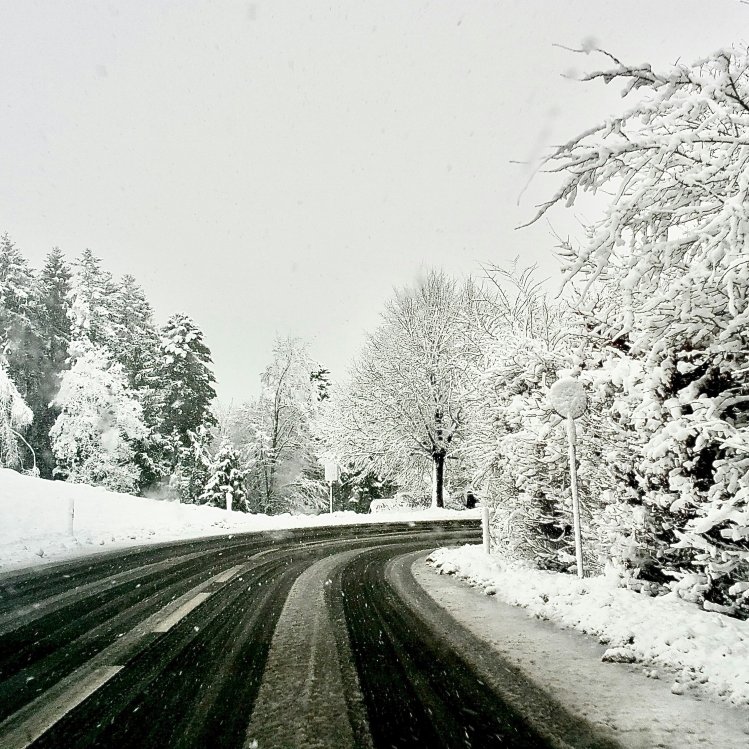
Winter travel can be unpredictable. Snowstorms close highways, freezing rain grounds flights, and what begins as a simple road trip can quickly become a logistics puzzle.
Traveling during winter storms isn’t necessarily something to avoid altogether. But it does require preparation, flexibility, and a willingness to adjust plans when conditions shift.
Over the years, we’ve learned that confidence is helpful — but caution is smarter.
Winter travel can absolutely be done safely. The key is knowing how to prepare, when to pause, and how to build backup plans that keep minor disruptions from becoming major problems.
Let’s walk through how to do exactly that.
Understanding the Real Risks of Winter Travel
Not all winter weather is created equal.
A light snowfall is very different from a full blizzard. Freezing rain can be far more dangerous than several inches of snow. Ice storms can knock out power grids for days. And heavy lake-effect snow can bury highways with little warning.
Winter storms impact travel in three major ways:
-
Road safety: Reduced traction, black ice, poor visibility
-
Air travel disruptions: De-icing delays, canceled flights, missed connections
-
Infrastructure issues: Power outages, closed businesses, limited services
When we were younger, we didn’t give much thought to any of this. We drove through several blizzards and ice storms without hesitation. I still remember heading out of state for a family holiday weekend when the roads were nearly empty. At one point, we hit a patch of ice and the car did a full 360-degree spin on the highway.
We were lucky. No other cars. No injuries. Just shaken nerves.
Those days are behind us.
We’re not afraid of inclement weather — but we no longer take unnecessary risks. And honestly, that mindset shift makes winter travel much less stressful.
Should You Travel at All? Knowing When to Reschedule
Sometimes the smartest winter travel tip is simply this: don’t go.
Before committing to travel during a storm, ask:
-
Is the storm expected to intensify?
-
Are road crews able to keep up?
-
Are airlines already issuing travel waivers?
-
Is your trip essential — or flexible?
Airlines often release change-fee waivers 24–48 hours before major storms. If you see that alert, take it seriously. It’s usually a sign they expect widespread disruptions.
For road trips, check state Department of Transportation websites for real-time road conditions and closures.
And if you’re traveling for leisure? Well… missing one gathering is better than risking a multi-car pileup.
Winter Travel Packing List: Storm-Ready Essentials
Preparation makes all the difference.
Whether you’re flying or driving, having the right gear can turn a stressful delay into a manageable inconvenience.
Essential Winter Travel Items
-
Heavy coat, gloves, hat (even if your destination is warmer — delays happen)
-
Waterproof boots
-
Phone chargers + portable battery pack
-
Snacks and bottled water
-
Prescription medications (never pack these in checked luggage)
-
Printed or offline copies of itineraries
-
Small flashlight
Emergency Car Kit for Winter Road Trips
If you’re driving in snow or ice, your car should include:
-
Ice scraper and snow brush
-
Jumper cables
-
Blanket
-
Traction aids (cat litter or sand)
-
First-aid kit
-
Non-perishable snacks
-
Small shovel
-
Reflective warning triangles
Back when we spun on that icy highway, we had none of this. Today? We don’t leave without it.
Driving in Winter Storms: Safety First
If you must drive during winter weather, preparation and patience are everything.
Before You Leave
-
Check tire tread (winter tires if possible)
-
Top off windshield washer fluid (winter-rated)
-
Keep your gas tank at least half full
-
Clear all snow from your vehicle — including the roof
On the Road
-
Slow down — even slower than you think you should
-
Increase following distance
-
Avoid sudden braking or sharp steering
-
Watch for bridges and overpasses (they freeze first)
If you begin to skid:
-
Stay calm
-
Ease off the accelerator
-
Steer gently in the direction you want the front of the car to go
That 360-degree spin we experienced? It happened because we hit black ice at highway speed. Today, we would have reduced speed significantly given those conditions.
Experience changes perspective.
What to Do If You Get Stranded
It happens more often than people think.
If stranded in a winter storm:
-
Stay in your vehicle unless it’s unsafe
-
Run the engine periodically for heat (ensure exhaust pipe is clear of snow)
-
Use hazard lights
-
Call roadside assistance
-
Conserve phone battery
Programs like AAA or roadside assistance through your auto insurance can be invaluable during storms.
Flying During Winter Storms
Air travel brings a different set of challenges.
How to Reduce Risk of Delays
-
Book early morning flights (they’re less affected by cascading delays)
-
Avoid tight layovers in winter
-
Choose nonstop flights when possible
-
Consider airports in warmer connection cities
When a flight is canceled, act fast. Use the airline app while waiting in line — you may be able to rebook before reaching the counter.
Airport Survival Tips
-
Bring snacks
-
Keep chargers accessible
-
Wear comfortable layers
-
Stay near power outlets
A little preparation goes a long way when terminals start filling up with delayed passengers.
Hotel & Accommodation Backup Plans
Winter storms don’t just affect transportation — they can disrupt lodging too.
When booking winter travel:
-
Choose refundable rates when possible
-
Identify alternate hotels in the area
-
Check if the hotel has backup generators
-
Ask about heating reliability in extreme cold
In severe storms, even hotels can lose power. It’s rare — but possible.
Traveling with Kids or Seniors in Winter Weather
Winter travel adds complexity when you’re responsible for others.
Consider:
-
Extra blankets and snacks
-
Frequent bathroom stops
-
Medication timing
-
Backup entertainment during delays
Comfort becomes just as important as logistics.
Financial Safety Nets & Travel Insurance
Winter storms are one of the most common reasons for trip interruptions.
Travel insurance may cover:
-
Trip delays
-
Canceled flights
-
Unexpected overnight stays
-
Rental car extensions
Some credit cards also offer built-in travel protections if you book using the card.
Even if you don’t purchase full insurance, understanding airline change policies ahead of time can save significant money and frustration.
The Mindset Shift That Makes Winter Travel Safer
When we were younger, we pushed through everything. Snow? Ice? Barely any cars on the road? No problem.
Now we know better.
The difference isn’t fear — it’s wisdom.
We still travel in winter. We just plan better. We monitor forecasts. We build in flexibility. And we’re willing to delay or reroute if conditions deteriorate.
That shift has reduced stress more than any packing list ever could.
Winter storms don’t have to cancel your plans. But they do demand respect.
Quick Winter Storm Travel Checklist
Before your next winter trip, review this:
-
Check extended weather forecasts
-
Monitor airline travel advisories
-
Pack winter gear in carry-on
-
Prepare an emergency car kit
-
Avoid tight connections
-
Keep flexible bookings when possible
-
Share itinerary with family
-
Save roadside assistance numbers
A few extra steps upfront can prevent hours — or even days — of disruption later.
Travel Smart, Not Fearless
Winter travel will always carry some unpredictability. Snowstorms and ice can change plans quickly, sometimes dramatically.
But with thoughtful preparation and a realistic mindset, you can travel confidently — without taking unnecessary risks.
We’ve learned that the goal isn’t to prove you can power through a storm. It’s to arrive safely, even if that means slowing down or adjusting your plans.
And honestly? That peace of mind makes the journey far more enjoyable.