Group Travel vs Independent Travel: What You Should Know Before You Go
By Jeff Lowe • December 12, 2025
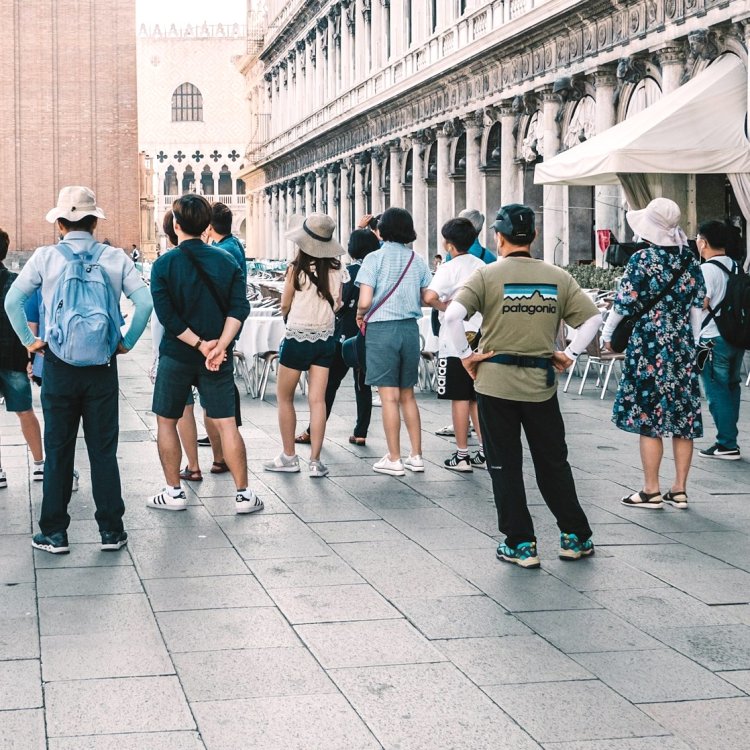
Traveling with a group can completely change how a trip feels — and in many cases, that’s a very good thing. Group travel often makes it easier to see more places, worry less about logistics, and focus on enjoying the experience. Of course, traveling alongside others does come with a few compromises, but for many travelers, the benefits far outweigh the drawbacks.
Group travel has been around forever, from classic escorted bus tours to small-group adventures led by knowledgeable local guides. And it remains popular for good reason, especially in destinations where transportation, language barriers, or costs can feel overwhelming when traveling on your own.
At the same time, group travel isn’t a perfect fit for everyone. You trade some personal freedom for convenience, structure, and often better overall value. Whether that balance feels right depends on your travel style, your expectations, and what you hope to get out of the trip.
So, let’s walk through both sides. The real advantages. The honest downsides. And a few things to think about before deciding if group travel is the right fit for your next adventure.
What Exactly Is Group Travel?
Before jumping into pros and cons, it helps to clarify what “group travel” really means.
Group travel usually involves a pre-planned itinerary shared by a set number of travelers. It could be a large motorcoach tour with 40 people or a small group experience capped at 10 or 12. Some trips are fully guided from start to finish, while others leave pockets of free time built into the schedule.
Common examples include:
-
Escorted tours through Europe or Asia
-
Adventure travel groups for hiking, safaris, or cycling
-
Cruise excursions and cruise-based group itineraries
-
Faith-based, educational, or special-interest tours
-
Company retreats or multi-family vacations
The structure varies widely, which is important to remember. Not all group travel feels the same.
The Pros of Group Travel
Let’s start with the good stuff. There are some very real reasons group travel continues to grow in popularity.
You Often See More in Less Time
One of the biggest advantages of group travel is efficiency.
Tours are designed to maximize what you can see in a limited amount of time. Transportation is coordinated. Tickets are pre-arranged. Guides know the fastest routes and the best order to visit attractions.
Instead of figuring out how to get from point A to point B, you’re already on your way. That means more landmarks, more neighborhoods, and more highlights packed into a single trip.
If you’re visiting a destination for the first time, this can be incredibly valuable. You get a broad overview without spending half your vacation navigating logistics.
It Can Be More Cost-Effective
Group travel often costs less than planning everything independently.
Tour companies negotiate group rates for hotels, transportation, attraction tickets, and sometimes meals. Those savings get passed along to travelers. When you add it all up, the price can be surprisingly competitive.
This is especially true for:
-
Destinations where transportation between cities or attractions adds up quickly
-
Countries where private guides are costly
-
Remote or hard-to-reach regions
-
Peak travel seasons when prices spike
While the upfront price might look high, it often includes things you’d otherwise pay for separately.
Planning Is Minimal (and Stress Is Lower)
Not everyone enjoys planning trips. Researching hotels, booking transportation, coordinating schedules, and worrying about what might go wrong can feel exhausting.
Group travel removes most of that stress.
The itinerary is already set. Hotels are booked. Transfers are arranged. Someone else is responsible for the details, and that mental relief alone can be worth a lot.
For travelers who just want to show up and enjoy the experience, this is a huge advantage.
Access to Knowledgeable Guides
A good guide can completely transform a destination.
Group travel often includes professional guides who know the history, culture, and hidden stories behind the places you’re visiting. They add context you’d likely miss on your own, even with a guidebook in hand.
Local guides also know:
-
How to avoid tourist traps
-
When to visit popular sights to avoid crowds
-
Cultural norms that help you blend in
-
Small details that make experiences more meaningful
That insider knowledge can elevate a trip from “seeing things” to truly understanding them.
Built-In Social Connections
Traveling with a group means you’re rarely alone unless you want to be.
For solo travelers, this can be especially appealing. You get companionship without needing to coordinate plans with friends or family. Meals, activities, and downtime naturally become shared experiences.
Even couples and friends often enjoy meeting people from different backgrounds. Conversations flow easily when everyone is experiencing the same place at the same time.
Sometimes, those connections last well beyond the trip itself.
Safety and Comfort in Numbers
There’s a certain reassurance that comes from traveling in a group.
In unfamiliar destinations, having a guide and fellow travelers around can feel safer, especially for first-time international travelers. If something goes wrong, you’re not dealing with it alone.
This sense of security can make travelers more comfortable exploring places they might otherwise avoid on their own.
The Cons of Group Travel
Now for the other side of the story. Group travel has tradeoffs, and they matter.
Limited Control Over the Schedule
This is the most common complaint about group travel, and for good reason.
The itinerary is set. Departure times are fixed. Stops are scheduled. If you want to linger longer at a museum or skip a stop entirely, that’s usually not an option.
Even free time often comes with boundaries. You might have two hours on your own, but you still need to be back by a specific time.
For travelers who value flexibility and spontaneity, this can feel restrictive.
You Move at the Group’s Pace
In group travel, you’re only as fast as the slowest person.
Someone might be late boarding the bus. Another traveler might need frequent breaks. A long bathroom line can delay the entire schedule.
These small delays add up. And while they’re usually nobody’s fault, they can be frustrating if you’re eager to move on or stick to the plan.
Less Room for Spontaneity
Some of the best travel moments happen unexpectedly. A café you stumble upon. A local festival you didn’t plan for. A scenic detour that turns into a highlight.
Group travel leaves less room for these spontaneous experiences. The structure that makes trips efficient can also make them feel a bit rigid.
You’re following a plan rather than creating one in real time.
You Might Not Love Everyone in the Group
Travel brings out people’s true personalities.
In a group setting, you don’t get to choose your fellow travelers. You might click with everyone, or you might find yourself sharing space with someone whose travel habits clash with yours.
Different energy levels, interests, and expectations can create friction, especially on longer trips.
Most tours handle this well, but it’s still something to consider.
Meals and Lodging Can Feel Generic
To accommodate a wide range of travelers, group tours sometimes play it safe.
Hotels may be comfortable but not particularly memorable. Restaurants might cater to broad tastes rather than showcasing bold local flavors.
While this isn’t always the case, especially with higher-end or niche tours, it can happen. Independent travelers often have more freedom to seek out unique accommodations and dining experiences.
Less Time in Each Place
Seeing more destinations often means spending less time in each one.
Group itineraries can feel fast-paced, with one or two nights per location before moving on. If you prefer slow travel and deeper immersion, this style may feel rushed.
It’s a tradeoff between breadth and depth.
Who Group Travel Works Best For
Group travel isn’t inherently good or bad. It just fits certain travelers better than others.
Group travel tends to work well for:
-
First-time visitors to a destination
-
Solo travelers seeking connection
-
Travelers who dislike planning logistics
-
People with limited vacation time
-
Those who value learning from guides
On the other hand, it may not be ideal for:
-
Travelers who want full control over their schedule
-
Those who prioritize slow, immersive travel
-
Highly independent or spontaneous travelers
-
People easily frustrated by delays
Knowing which camp you fall into makes the decision much easier.
How to Choose the Right Group Tour
Not all group travel experiences are created equal. A little research goes a long way.
Look at group size first. Smaller groups often feel more flexible and personal.
Check how much free time is built into the itinerary. Some tours balance structure with independence better than others.
Pay attention to travel style. Adventure tours, cultural tours, and luxury tours all attract different types of travelers.
And don’t underestimate reviews. Patterns in feedback can reveal a lot about pacing, guides, and overall experience.
Blending Group Travel with Independent Travel
Many travelers find a middle ground.
You might join a group tour for part of a trip, then extend your stay independently. Or choose a tour that covers the hardest-to-plan portion of a destination, then explore on your own afterward.
This hybrid approach offers structure where it’s helpful and freedom where you want it.
A Final Thought Before You Decide
Group travel is about tradeoffs. You exchange some freedom for convenience, efficiency, and shared experiences. For many travelers, that exchange is well worth it. For others, it feels limiting.
The key is being honest with yourself about how you like to travel. Do you enjoy structure or flexibility? Do you prefer meeting new people or carving your own path?
Once you answer those questions, the decision often becomes clear. And whichever route you choose, the goal is the same—meaningful experiences, great memories, and a trip that feels right for you.