Florida’s Best Quiet Spring Break Beach Towns for Families
By Jeff Lowe • October 26, 2026
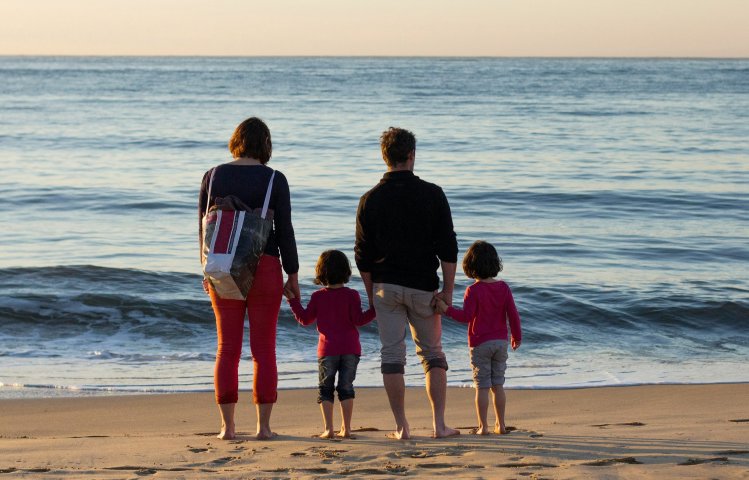
For families who associate spring break with gridlocked traffic and shoulder-to-shoulder beaches, Florida can seem like a paradox. The state’s most famous stretches of coastline often reach peak intensity just as school lets out, turning a much-anticipated vacation into a logistical exercise in patience. Yet tucked between the high-rise condos and the packed boardwalks are quieter areas where the rhythm of the day is set by the tide rather than the crowd.
These are the towns where a family can still find a patch of sand to call their own, where the loudest sound is often the call of a shorebird, and where the appeal lies not in what has been built up, but in what has been left alone.
The following destinations share a common trait: they are not secret, but they are deliberately low-key. They lack the neon glow of party-centric spring break hubs and the manufactured energy of major resort corridors. Instead, they offer a version of the Florida coast that feels increasingly rare—places where families can settle in, unpack the beach chairs, and exhale.
Englewood: Old Florida Charm with Room to Breathe
Situated roughly halfway between Sarasota and Fort Myers, Englewood occupies a stretch of Gulf coastline that feels far removed from the bustle of its better-known neighbors. It is a town that wears its history lightly, with a modest downtown core along Dearborn Street and a collection of barrier islands that shield the mainland from the Gulf’s full force. For families seeking a spring break that prioritizes space and simplicity, Englewood delivers.
The beaches here are the primary draw, but they are not the kind that come with valet parking and beachside cabana rentals. Englewood Beach, on Manasota Key, offers a practical setup for families: picnic tables, grills, a playground, and calm Gulf waters that make swimming and paddleboarding approachable for children. The vibe is unhurried. Rather than fighting for a spot near a crowded lifeguard stand, families can spread out and settle in for the day without the sense that they are competing for real estate.
For a slightly more adventurous outing, Stump Pass Beach State Park at the southern tip of Manasota Key is worth the early alarm. The park charges a modest parking fee and limits spaces, which naturally caps the crowd size. Arriving near opening time is advisable. The reward is an unspoiled shoreline, nature trails through mangrove forests, and excellent shelling. A quirky local tradition involves placing found seashells on tree stumps and branches for good luck, a small ritual that delights children and costs nothing.
What makes Englewood particularly well-suited to families is the presence of Lemon Bay Aquatic Preserve, a sheltered coastal ecosystem where dolphins, manatees, and native birds are common sights. Kayak rentals and guided eco-tours are available locally, offering a peaceful counterpoint to a day spent in the surf. The town itself maintains a genuinely laid-back character; there are no high-rises crowding the shoreline, and the dining scene leans toward dockside seafood shacks and family-owned spots rather than chain restaurants. For a spring break that feels less like a production and more like a genuine change of pace, Englewood is a strong candidate.
Navarre Beach: The Quiet Side of the Emerald Coast
The stretch of Gulf Coast between Pensacola and Destin is famous for its emerald-green water and sugar-white sand, but the town of Navarre Beach has managed to avoid the intense development that defines some of its neighbors. It is often described as a laid-back alternative, a place where small local establishments outnumber chain restaurants and where the pace of life slows considerably.
Navarre Beach’s appeal for families begins with its geography. The town sits on Santa Rosa Island, a narrow barrier island that is largely protected by the Gulf Islands National Seashore. The drive along Highway 399 traverses towering sand dunes and unspoiled coastal scenery, with road signs warning drivers to slow for wildlife. This sense of entering a protected place sets the tone for a visit. The beach itself is wide and clean, with powdery sand that stays cool underfoot and water that is typically clear and calm.
One of the more distinctive family-friendly attractions is the Navarre Beach Sea Turtle Conservation Center, a nonprofit dedicated to education and conservation. It offers a low-key, educational diversion for children and a break from the sun. The Navarre Beach Fishing Pier, which extends 1,545 feet into the Gulf, is another focal point. Even for families who do not fish, walking the pier offers a chance to spot sea turtles, jellyfish, and bottlenose dolphins in the water below. For a more structured wildlife encounter, local outfitters run boat tours across Santa Rosa Sound where dolphins are frequent companions.
Spring break crowds do reach Navarre Beach, but they tend to be more manageable than in neighboring Destin or Pensacola Beach. The town lacks the large-scale resort complexes and amusement park attractions that draw massive spring break surges elsewhere. Instead, the primary activities are beachgoing, biking along the Santa Rosa Island trail, and simple exploration. Families looking for a Gulf Coast experience with clear water and white sand—but without the intensity of a major tourist hub—will find Navarre Beach strikes a comfortable balance.
St. George Island: The Forgotten Coast’s Family Secret
Off the coast of Franklin County, in a region known as Florida’s Forgotten Coast, St. George Island stands as one of the state’s last genuinely quiet beach destinations. The island offers 22 miles of sugar-white sand and clear Gulf waters, but its defining characteristic is a sense of spaciousness. The beaches are wide and rarely crowded, giving families room to spread out, build sandcastles, and let children run without the constant need for close supervision that packed beaches demand.
The focal point for many families is the public beach near Lighthouse Park, which offers easy access, shaded pavilions, and a playground. For those willing to venture further, St. George Island State Park protects nine miles of shoreline and offers hiking trails through maritime forests, surf fishing spots, and spacious beachfront pavilions. The park is a haven for birdwatchers and nature enthusiasts, with shorebirds and coastal wildlife in abundance.
St. George Island’s pace is deliberately slow. There are no high-rise hotels or large commercial complexes. Lodging tends toward vacation rentals and small inns, and the island’s restaurants are the kind of unpretentious places where sandy feet are welcome and the seafood is fresh. Families can rent bikes or paddleboards to explore the flat terrain and calm bay waters, or simply spend a morning walking the shoreline in search of shells and sand dollars. The spring break crowd here is a different species entirely—more likely to be families with young children and couples seeking solitude than groups of college students. For a spring break that feels like a genuine escape from the noise of daily life, St. George Island delivers.
Saint Joe Beach: The Affordable Hideaway
A recent ranking of beach destinations placed Saint Joe Beach at the top of its list for 2026, citing its affordability, traveler satisfaction, and uncrowded, residential charm. The recognition is notable not because Saint Joe Beach has changed—it has not—but because it confirms what longtime visitors already knew: this stretch of the Forgotten Coast offers a spring break experience that is both accessible and genuinely peaceful.
Saint Joe Beach is a west-facing sweep of pale sand located minutes from Port St. Joe. Its residential character is its defining feature. Instead of high-rise condos and boardwalk attractions, visitors find low-slung beach houses and wide-open shoreline. The water is shallow and calm, making it ideal for paddling, swimming, and beachcombing with children. Because the beach faces west across St. Joseph Bay toward T.H. Stone Memorial St. Joseph Peninsula State Park, it is one of the few places on the Panhandle where the sun sets directly over the water—a daily spectacle that costs nothing and requires no reservation.
For families, the appeal is straightforward. Saint Joe Beach offers the essentials—sand, water, space, and quiet—without the extras that drive up costs and crowd out spontaneity. The nearby state park provides additional opportunities for hiking, wildlife viewing, and exploration, while the town of Port St. Joe offers a small selection of local restaurants and shops. It is not a place with a packed itinerary of attractions. It is a place where the itinerary is, by design, nearly empty.
Carrabelle: Where the Crowds Simply Never Arrive
Carrabelle sits about an hour south of Tallahassee, a small fishing town with a population under 3,000 and a reputation for being one of the Gulf Coast’s best-kept secrets. It is part of the Forgotten Coast, a designation that feels less like a marketing slogan and more like a simple statement of fact. Carrabelle has never had to advertise itself, and the people who find it tend to be the ones who stay.
For families seeking a spring break that prioritizes nature and solitude over entertainment and amenities, Carrabelle makes a persuasive case. The town’s beaches are uncrowded to the point of feeling nearly private. One local real estate expert described it simply: “You literally won’t see anybody”. That may be a slight exaggeration, but the sentiment captures the essence of the place. Carrabelle Beach offers the same Gulf Coast access as the more famous Panhandle beaches, but without the crowds that descend on Destin or Panama City Beach during peak season.
The surrounding area is rich in outdoor opportunities. Tate’s Hell State Forest spans over 200,000 acres and offers hiking, camping, biking, and paddling. The town itself has a quirky claim to fame: the “World’s Smallest Police Station,” a tiny blue phone booth that once served as the city’s entire law enforcement infrastructure and is now a tourist attraction. It is the kind of low-stakes detail that makes a place memorable for children without requiring a ticket or a reservation.
Carrabelle is not for every family. It lacks the organized activities, water parks, and entertainment complexes that some spring break travelers expect. But for families who measure a vacation by the amount of sand between their toes and the absence of a schedule, it offers something increasingly difficult to find on the Florida coast: genuine quiet.
Planning a Quieter Spring Break
The towns listed here share a set of characteristics that make them well-suited to families seeking a reprieve from the typical spring break scene. They are not without visitors, and March and April do bring increased traffic to their shores. But the scale of development and the type of attractions they offer naturally limit the intensity of the crowds.
A few practical considerations can help families make the most of a quiet spring break in these destinations. Booking lodging well in advance is advisable, as these towns have smaller inventories of rental homes and inns than major resort areas. Arriving at state parks and popular beach access points early in the day is a reliable strategy for securing parking and avoiding the mid-morning rush. And embracing the local pace—eating at casual, family-owned restaurants, spending unstructured time on the beach, and resisting the urge to over-schedule—is central to the experience.
Florida’s coast is vast and varied, and the spring break experience is not monolithic. For every crowded strip of sand, there is a quieter alternative where the water is just as warm, the sand just as soft, and the pace considerably more humane. These towns are not secrets in the sense that no one knows about them. They are simply places that have chosen, deliberately or by circumstance, to remain themselves. For families willing to seek them out, that choice is a gift.