Great Smoky Mountains Autumn Camping Guide: Best Sites, Foliage, and Routes
By Jeff Lowe • October 27, 2026
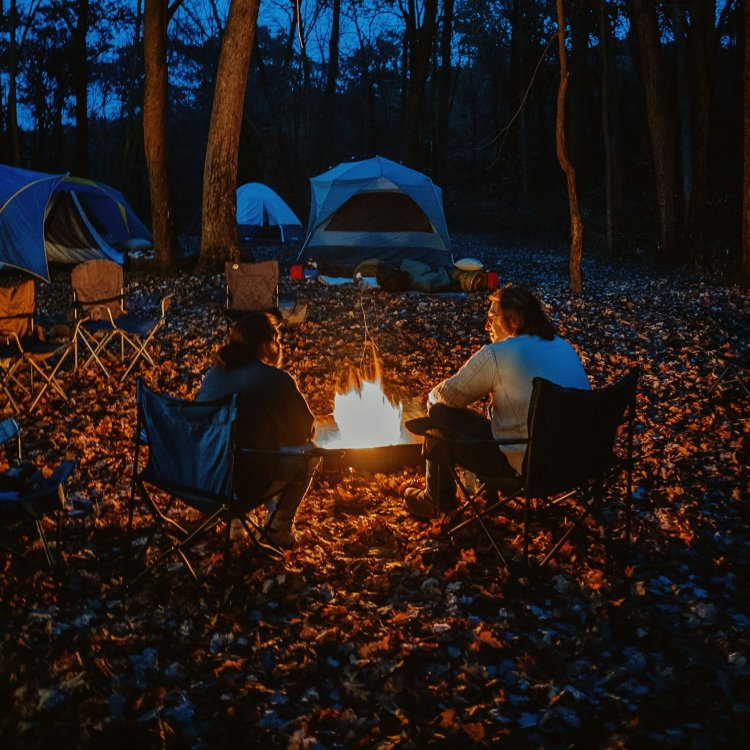
Fall camping in Great Smoky Mountains National Park offers a chance to experience the southern Appalachian Mountains as summer gives way to cooler air, colorful forests, and crisp mornings around the campsite.
The season brings some of the park's most appealing conditions for hiking, scenic drives, and evenings outdoors, along with a surge in visitors eager to see the changing leaves. Choosing the right campground, timing a visit around fall foliage, and planning for busy roads can make a real difference in how much you enjoy your stay.
When Fall Colors Arrive in the Smoky Mountains
The first thing to understand about autumn in the Smokies is that fall color doesn't arrive everywhere at once. Elevation makes a big difference, and the mountains can look like they're experiencing several seasons at the same time.
Higher elevations generally begin changing color earlier, often in late September or early October. Lower elevations tend to reach their peak later, with much of the colorful display arriving during October and sometimes extending into early November. The exact timing shifts from year to year, depending on temperatures, rainfall, and other weather conditions.
That variation is part of what makes a fall camping trip interesting. You might see bright reds and yellows along a high-elevation trail while the trees near your campground remain mostly green. A week or two later, the lower valleys may be full of color.
Sugar maples, red maples, scarlet oaks, and other hardwood trees contribute to the autumn display. The mix of tree species and elevations gives the park a long fall-color season rather than a single, predictable peak weekend.
If you're planning a trip mainly to see the leaves, aim for some flexibility in your dates. Mid-October through late October is a reasonable starting point for planning a visit, particularly if you want to experience the color around popular lower-elevation destinations. Still, no calendar can guarantee peak foliage.
Keep an eye on recent reports as your trip approaches, and remember that a little green left in the trees doesn't mean you've missed the show. The mountains change gradually, and different sections of the park may look their best on different days.
Choosing a Campground for Fall Camping
Great Smoky Mountains National Park has several frontcountry campgrounds, each with its own setting and advantages. Some put you close to major roads and visitor services. Others offer a quieter mountain setting, with longer drives to restaurants and attractions outside the park.
The right choice depends on how you plan to spend your days. If scenic drives and visits to Gatlinburg or Pigeon Forge are high on your list, a campground near the northern side of the park may make sense. If you prefer hiking and exploring the quieter southern end, consider camping near the North Carolina entrances.
National park campgrounds generally offer a more rustic experience than private RV parks. Most have restrooms, picnic tables, and fire grates, but you shouldn't expect full hookups, showers, or a camp store at every location. Services vary, so check the specific campground before making a reservation.
Fall weekends can fill quickly, especially during the busiest foliage weeks. Reserving ahead is wise, and it's worth checking campground rules for vehicle length, generator use, pets, and other restrictions that could affect your setup.
Elkmont Campground: Convenient for Exploring the Northern Smokies
Elkmont Campground sits near the Little River, not far from the Gatlinburg side of the park. Its location makes it a practical base for visitors who want to combine camping with scenic drives, waterfall hikes, and time in nearby towns.
The surrounding forest is especially appealing in autumn. Colorful hardwoods line the roads and trails, and the nearby river provides a pleasant place to spend a quiet morning. You can enjoy a campground walk before breakfast, then head out for a longer hike or a drive into the mountains.
Elkmont is also associated with the remains of an old logging community and vacation settlement. Historic structures in the area offer a glimpse of the communities that existed here before the land became part of the national park.
The trade-off is popularity. Elkmont is a well-known campground, and its convenient location makes it attractive during fall. Expect company on busy weekends, and plan your drives with extra time.
Smokemont Campground: A Base Near Cherokee
Smokemont Campground lies near the southern end of Newfound Gap Road, on the North Carolina side of the park. It provides access to forested surroundings, mountain scenery, and hiking opportunities while keeping you within reach of Cherokee.
This is a useful option if you'd like to explore both sides of the park without staying near the busiest commercial areas. The setting is wooded, and the campground's location makes it convenient for trips along Newfound Gap Road, including stops at overlooks and trailheads.
Cherokee offers additional dining, shopping, and cultural attractions outside the park. You can spend the day among the mountains and return to town for a meal before heading back to camp.
Be prepared for cool nights, particularly if you're visiting later in October. Temperatures can vary considerably between the campground and higher elevations, so bring layers and bedding suited to chilly conditions.
Cades Cove Campground: Wildlife, History, and Scenic Drives
Cades Cove is among the park's most popular destinations, and its campground places you close to the valley's historic buildings, open fields, and wildlife-viewing opportunities.
The surrounding scenery changes beautifully in fall. Trees along the valley floor and mountain slopes develop autumn color, while the open meadows provide broad views of the surrounding peaks. Early mornings can be especially rewarding for visitors hoping to spot deer or other wildlife.
The famous Cades Cove Loop Road is a major attraction, with historic cabins, churches, and other preserved structures along the route. Traffic can move slowly, particularly during fall weekends, so don't plan a tightly scheduled day around driving the loop.
Camping here makes it easier to visit early, before the busiest periods. You can also enjoy the valley at quieter times of day, when the light is softer and wildlife may be more active.
There are a few practical considerations. Cades Cove is reached by a winding road, and access to the valley can take longer than expected when traffic builds. Services are limited compared with nearby towns, so arrive with the food, supplies, and fuel you'll need.
Cosby Campground: A Quieter Corner of the Park
Cosby Campground sits in the northeastern part of Great Smoky Mountains National Park, away from the busiest Gatlinburg approach. Its wooded setting and access to hiking make it appealing to campers who would rather spend time outdoors than drive between crowded attractions.
The area can be particularly enjoyable in fall, when the forest begins to change and the cooler air makes uphill hikes more comfortable. Trails in the Cosby area offer opportunities to explore a less heavily visited part of the park.
Cosby is more removed from the main tourist centers, which can be a benefit if you prefer a quieter base. The trade-off is that reaching popular destinations elsewhere in the park may require more driving.
Check the campground's seasonal operating dates before planning your trip. Some park campgrounds operate only during part of the year, and availability can change with maintenance or other park conditions.
What About RV Camping in the Smoky Mountains?
If you're traveling in a motorhome, fifth wheel, or travel trailer, campground selection takes a little more planning. The national park's campgrounds are designed primarily for tent camping and self-contained RVs, rather than full-service RV resorts.
Most park campgrounds don't offer electrical, water, or sewer hookups at individual sites. RV length limits vary by campground and sometimes by individual site, so check the measurements carefully before booking. A large rig may have fewer suitable options than a smaller travel trailer.
If you want hookups, showers, laundry facilities, and easier access to restaurants, private campgrounds outside the park are worth considering. The Gatlinburg, Pigeon Forge, Sevierville, and Cherokee areas have commercial camping options, including facilities designed for larger RVs.
You'll generally pay more for those amenities, but the convenience can be worth it during a chilly autumn trip. You can spend the day exploring the national park, then return to a hot shower and a comfortable place to relax.
One other consideration: fall weekends bring heavy traffic around the northern entrances. A campground that looks close to a trailhead on a map might involve a much longer drive than you expect. Check the actual route, not just the mileage, before choosing your base.
The Best Fall Drives for Mountain Color
You don't have to hike several miles to appreciate autumn in the Smokies. Some of the park's most memorable fall scenery is visible from its roads, and a well-planned drive can fill an entire morning or afternoon.
Newfound Gap Road is an obvious starting point. This paved road crosses the park between Gatlinburg and Cherokee, climbing through several elevation zones along the way. The changing altitude means you may see different stages of fall color during a single drive.
Pullouts and overlooks provide places to stop, stretch your legs, and look across the mountain ridges. Temperatures can be much lower near Newfound Gap than in the surrounding valleys, so keep a jacket handy. Fog can also move in quickly, sometimes obscuring views that were clear just minutes earlier.
Roaring Fork Motor Nature Trail, near Gatlinburg, offers a slower drive through forested mountain scenery. The narrow, winding route passes historic structures and access points for nearby trails. Its seasonal operating schedule means you should confirm that it's open before setting out.
Cades Cove Loop Road deserves its own mention. The one-way loop takes you through open fields surrounded by wooded mountains, with opportunities to stop at historic sites and look for wildlife. It can be a leisurely drive when traffic is light, but during peak fall weekends, progress may be slow.
For a less rushed experience, start early on a weekday if your schedule allows. Bring water and snacks, keep your fuel tank reasonably full, and leave room for unexpected stops. The goal is to enjoy the scenery rather than spend the entire day watching the clock.
Road closures can occur because of weather, maintenance, or storm damage. Check current park alerts before leaving camp, especially if your plans depend on a particular road or trail.
Fall Hiking: Where to Go for Color
Autumn is an appealing time to hike in the Smokies. Cooler temperatures can make strenuous trails more comfortable, and the mix of evergreen trees and deciduous hardwoods creates interesting views throughout the park.
Your best trail depends on how much time and effort you want to put in.
For a relatively accessible walk with a destination, consider Laurel Falls Trail when it's open. The paved path leads to a waterfall, although the surface can be uneven and the route is uphill. Check current trail conditions before visiting, as closures and repairs can affect access.
For mountain views, the Alum Cave Trail offers a more strenuous outing through forest and rock formations toward higher elevations. The trail continues beyond Alum Cave Bluffs toward Mount LeConte, so be realistic about your turnaround point. A short walk to the bluffs and a longer mountain hike are very different commitments.
If you're camping near Cades Cove, the area also has trails leading into the surrounding mountains. You can combine a morning hike with a drive around the valley later in the day, provided you allow enough time for both.
A few simple habits make fall hiking more enjoyable:
-
Start early enough to finish before dark. Autumn days are shorter than summer days.
-
Carry a map or download trail information before leaving camp. Cell service is unreliable in many parts of the park.
-
Bring water, snacks, and an extra layer, even if the weather feels warm at the trailhead.
-
Wear shoes with good traction. Wet leaves, muddy ground, and slick rocks can make trails slippery.
-
Stay on marked trails and give wildlife plenty of space.
Don't assume that a trail will be quiet just because it's away from the main road. Popular waterfall hikes and well-known viewpoints can attract plenty of visitors during foliage season. If you prefer solitude, consider an earlier start or a less heavily visited trail.
Fall Camping and the Crowds: What to Expect
Let's be honest: fall is a busy time in the Smokies. The foliage draws visitors from across the country, and the surrounding gateway towns can feel especially crowded on weekends.
Gatlinburg and Pigeon Forge offer restaurants, attractions, shopping, and entertainment, but traffic can build along the main roads. A short drive on the map may take much longer during peak periods. Parking near popular trailheads can also be difficult, particularly late in the morning.
The park itself can feel crowded at its most popular destinations, including Cades Cove, major waterfall trails, and scenic overlooks. Yet you don't need to avoid autumn altogether to escape the worst of the congestion.
A few choices can help:
Camp during the week. Sunday through Thursday nights may offer a calmer experience than a Friday or Saturday stay, although popular dates can still fill up.
Get moving early. Visit major attractions in the morning, then enjoy a slower afternoon at camp or on a less-traveled trail.
Stay near the activities you care about most. Spending less time driving means more time enjoying the park. Pick a campground based on your priorities rather than trying to reach every attraction in a single trip.
Keep a backup plan. If a parking area is full, move on to another destination instead of circling for half an hour. The Smokies offer plenty of places to explore.
You might also consider visiting in late September or early November if your schedule is flexible. You'll have a different mix of foliage and weather, and visitor numbers may be lower than during the busiest October weekends. Neither period is guaranteed to be quiet, and some seasonal facilities may be closed.
Packing for Cold Nights and Changeable Weather
Fall weather in the Great Smoky Mountains can be unpredictable. Afternoon sunshine may give way to rain, and a comfortable day in the valleys can turn chilly at higher elevations.
Start with a sleeping bag or bedding suited to the lowest temperatures you reasonably expect. Check the forecast for the campground itself, then consider how much colder it might be if you spend time in the mountains.
Layering is more practical than packing one heavy coat. A warm base layer, fleece or insulated jacket, and waterproof outer layer give you options as conditions change. Bring a hat and gloves for cold mornings, especially if you're camping late in the season.
Your campsite setup matters, too. A sleeping pad adds insulation beneath you, and a rainfly or suitable shelter helps keep your sleeping area dry. If you plan to cook outside, bring equipment that works comfortably in cool, damp weather.
Firewood rules deserve attention. National park regulations restrict the movement of untreated firewood to help prevent the spread of insects and tree diseases. Buy approved firewood near your destination or use firewood that meets park requirements. Never assume that wood collected from the forest is permitted.
Food storage is another important part of camping here. Black bears live throughout the park, and campers must follow food-storage rules. Keep food, garbage, toiletries, and other scented items secured as directed by the campground. Never feed wildlife.
Finally, remember that mountain weather can affect roads and trails. Check forecasts and park alerts each day, and be prepared to change plans if conditions deteriorate.
Planning Your Fall Camping Trip
A little advance planning can save time and frustration during one of the park's busiest seasons.
Begin by choosing your dates and preferred part of the park. If your main interests are Gatlinburg, waterfalls, and Newfound Gap Road, Elkmont may be a logical choice. For Cades Cove and the western side of the park, consider its campground. Smokemont works well for exploring the North Carolina side, while Cosby offers a quieter setting away from the busiest northern entrances.
Next, check campground availability and reserve a site if reservations are offered for your chosen dates. Review the park's camping rules, operating schedule, vehicle restrictions, and available facilities before committing.
Plan a few activities, but leave room for flexibility. One scenic drive, one or two hikes, and time to enjoy the campsite can make a satisfying trip. Trying to cover the entire park in a couple of days usually means spending too much time on the road.
Remember that the national park itself has no general entrance fee, though some parking situations require a parking tag for vehicles parked for more than a brief stop. Separate fees may apply to private campgrounds, commercial attractions, and other activities outside the park. Check current requirements before your visit.
If you have several days, consider dividing your stay between different areas rather than driving back and forth across the mountains. The park is larger and slower to cross than many first-time visitors expect.
Let the Mountains Set the Pace
Fall camping in the Great Smoky Mountains rewards visitors who give themselves time to enjoy the changing season. You might spend one morning watching sunlight filter through yellow leaves, an afternoon hiking to a waterfall, and an evening bundled up at your campsite as the temperature drops. Some days will bring brilliant color and clear mountain views. Others may be gray, damp, or crowded. That's part of camping in the mountains in autumn.
Choose a campground that fits your plans, make reservations early, and keep your schedule flexible enough to work around traffic and weather. With those details taken care of, you'll have more time to enjoy the forests, mountain roads, and cool evenings that make a fall trip to the Smokies worth planning.